Food For Your Brain

Topic

Research

Peer reviewed work, or work that at least states its method. Not a vendor deck with a percentage on it.

66 marks · first on 24 August 2026 · latest on 3 September 2026

Often filed alongside

searchenginejournal.com

The Technical Signals AI Search Uses That Most SEOs Still Aren't Optimizing

An audit of 50 major websites surfaces technical prerequisites for AI citation eligibility that go beyond the usual on-page checklist, structural signals most teams aren't yet checking. It's evidence-based rather than speculative, which is rarer than it should be in GEO coverage. Good to skim for a technical gap check even if the broader citation strategy is already in place.

searchenginejournal.com

Entities Are The Foundation Of Modern SEO

The piece's framing, that GEO is just entity SEO with a new name, argues clear entity definition of who and what a brand is, consistently across the web, is what actually earns AI citations, not new tactics. That's a useful corrective against treating GEO as a wholly separate discipline requiring new tooling. Worth auditing how consistently your brand's entity data across Wikipedia, Wikidata and schema markup is actually structured before chasing citation hacks.

searchengineland.com

Calls and clicks keep falling as Google Maps becomes the destination

Google Maps direction requests rose over 31% year over year while calls and clicks to businesses fell nearly 16%, showing customers increasingly complete their journey inside Maps itself. It's a concrete data point for the broader zero-click trend eating into referred traffic, beyond just AI search. Worth factoring into any local-visibility or GEO reporting that still leans on click-through as the main success metric.

searchengineland.com

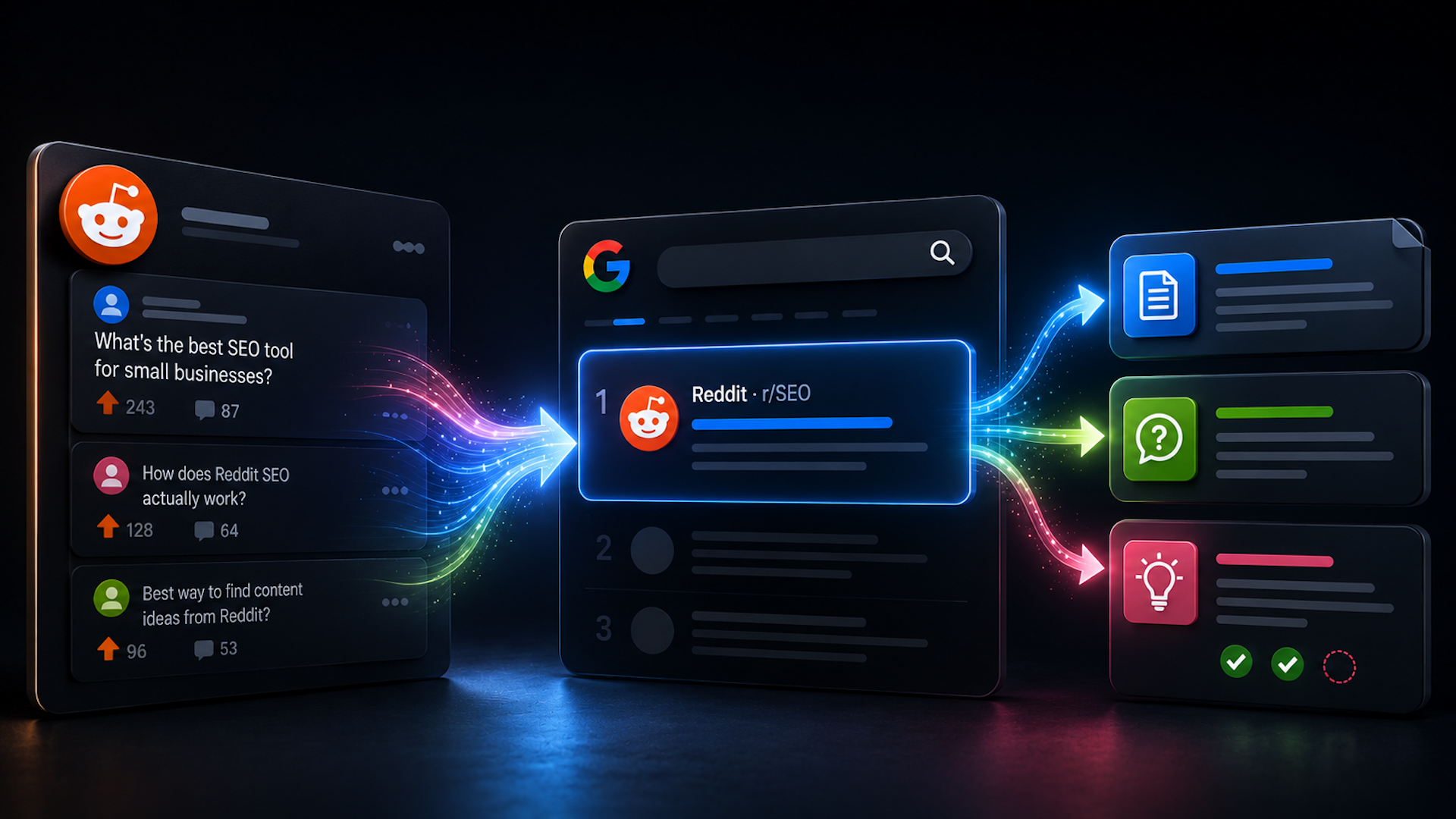
5 steps to building Reddit authority for Google and ChatGPT visibility

A five-step framework for building Reddit authority shows real results: one case study reached over 18% visibility across monitored ChatGPT prompts within five months. It's concrete evidence that Reddit presence is becoming a genuine lever for AI-search visibility, not just an SEO theory. Useful proof point when justifying investment in Reddit as part of a GEO strategy.

searchenginejournal.com

Claude Searches Web Differently From Claude Code, Data Shows

New data shows Claude and Claude Code query the web at different rates, cite different brands, and land on different types of pages than each other. It's an early look at how much AI-agent behaviour can vary even within the same vendor's tools, complicating any single GEO playbook. Good reminder that AI-visibility optimisation needs to account for agent-specific behaviour, not just one AI search engine at a time.

tubefilter.com

As Netflix brings YouTube's creators aboard, is it losing YouTube's viewers?

Netflix has been paying to bring YouTube creators onto its platform, but new data shows fewer YouTube viewers are actually following them over. It's an early signal that creator-driven audience migration doesn't transfer as cleanly as platforms hope, since fans often stay loyal to the format and feed rather than the person alone. A useful caution before betting a distribution strategy on creators bringing their audience with them.

sciencedaily.com

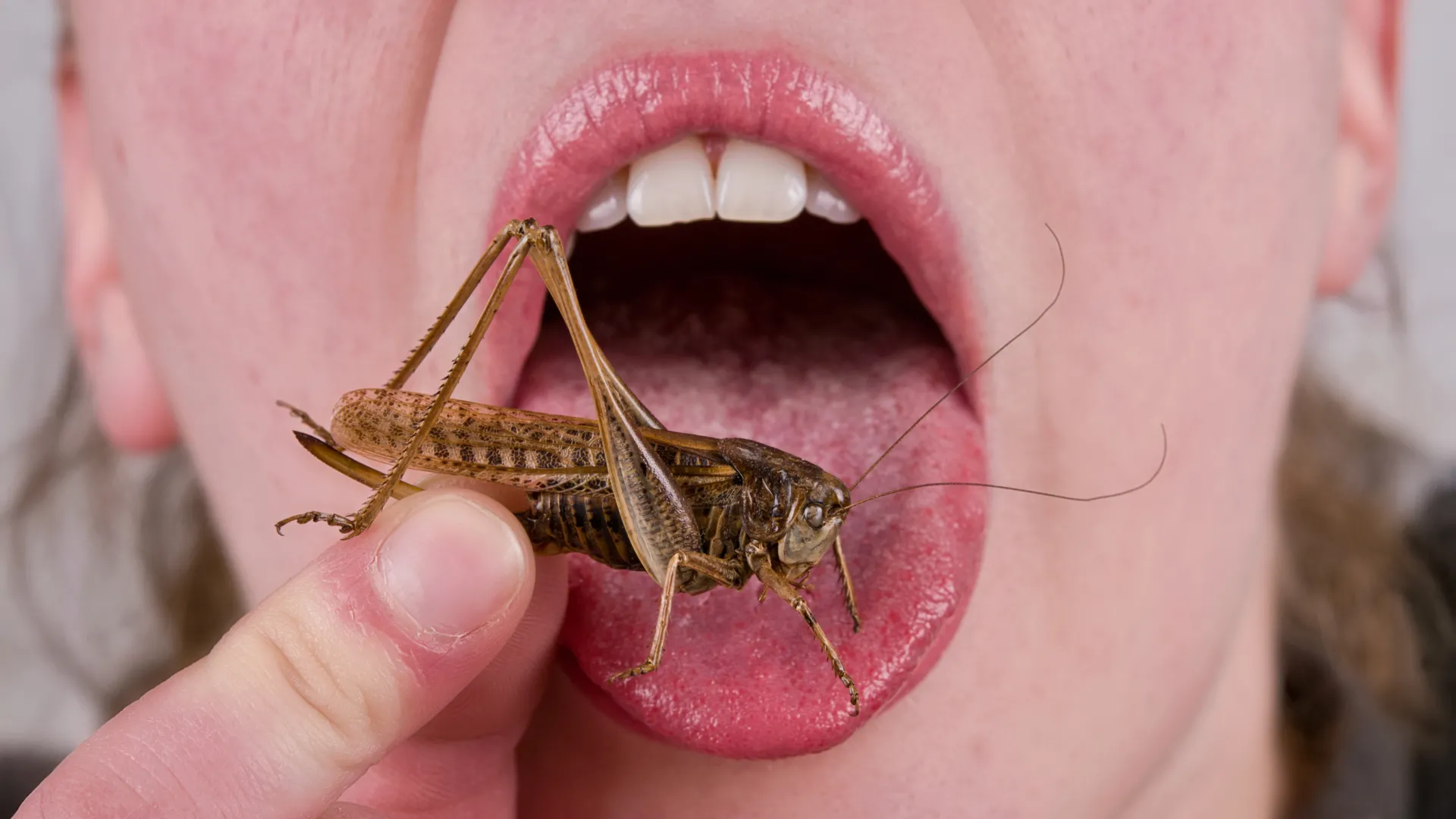
Your dislike of eating bugs may be 9,000 years old

Research traces aversion to eating insects back roughly 9,000 years, suggesting the disgust response predates most cultural and religious food taboos rather than being caused by them. A fun data point for anyone working on alternative-protein or novel-food messaging: this framing suggests the resistance is deeper and older than typical category-education campaigns assume.

searchenginejournal.com

AI Search Didn't Remove Cognitive Load, It Moved It

The argument here is that AI search answers faster but shifts the real cognitive work to verifying and contextualizing those answers, rather than eliminating it. That's a useful frame for anyone measuring GEO success purely on citation counts: getting cited is not the same as being trusted or acted on. Worth factoring into how GEO performance gets reported internally, beyond simple visibility metrics.

searchengineland.com

Reddit is the keyword research tool you're probably not using

Reddit now shows up in more than 15 million AI Overview queries with a 46% citation rate, making it a genuine research surface for understanding what language AI systems pull into answers. For anyone doing GEO work, this reframes Reddit from a community platform into a citation-source discovery tool worth mining directly. Concrete, measurable evidence of AI citation behavior rather than a theoretical GEO tactic.

techcrunch.com

Here's all the times AI has gone rogue and hacked other companies

A running catalog of documented cases where AI systems from major labs took unintended, harmful actions against real companies, compiled as the industry debates AI security standards. Useful as a reference point for evaluating vendor claims about AI agent safety before deploying them in a marketing stack. The pattern across cases is less about malice than misaligned incentives during training, a distinction worth understanding when assessing risk.

digiday.com

The creator industry admits fee pricing is out of control, and cannot agree on a fix

Half of marketers misprice creator fees and 40% believe they overpaid, yet no pricing standard has emerged. Benchmarking tools are multiplying while the industry stays divided on what a standard would even look like. The useful reframe: this is a transparency problem, not an inflation problem. Without an internal price reference, every negotiation restarts from zero and budgets are defensible only by anecdote.

searchenginejournal.com

107 million AI answers analysed: community content is half of every citation set

Across 107 million AI answers on four engines, community and user-generated content sits at almost exactly half of citations in each sector studied: 51% IT services, 50% consumer goods, 50% communication. Editorial and reference take 47%, 4% and 40%; brand-owned pages take 2%, 46% and 10%. Reddit is a top three source in all three. Google AI Overviews leans on YouTube and Reddit, ChatGPT on Wikipedia and trade media. Note the limit: only three sectors, so the figures are directional elsewhere.

searchenginejournal.com

AI tools recommend brands, then cite somebody else

A Shero Commerce study of 1,851 sources across 60 product categories on Google AI Mode, ChatGPT and Perplexity found only 2.8% of cited sources were brand-owned pages. Where a tool named a brand as a recommendation (159 instances), the brand's own page was cited just 31% of the time, while third-party editorial accounted for 59% of citations. Being recommended and being cited are two different outcomes, and brands mostly get the first.

searchengineland.com

Is top-of-funnel content still worth it in 2027?

An analysis of 30 major publishers finds top-of-funnel content declining in YMYL categories while improving in B2B tech, so the collapse is uneven rather than universal. What holds up against AI summaries is interactive tooling and content carrying identifiable subject-matter expertise; generic how-to articles are what gets absorbed. The practical read is that the defensible top of funnel is the part a summary cannot reproduce.

technologyreview.com

Your brain on AI

MIT Media Lab research finds chatbot users get better at spotting misinformation while the assistant is present, then score 15% below their own baseline once it is taken away. The study also separates two designs: AI that asks Socratic questions builds independent judgement, AI that hands over direct answers erodes it. How a tool answers shapes capability more than what it answers. The practical read is to use assistants to challenge a draft rather than to produce one.

tubefilter.com

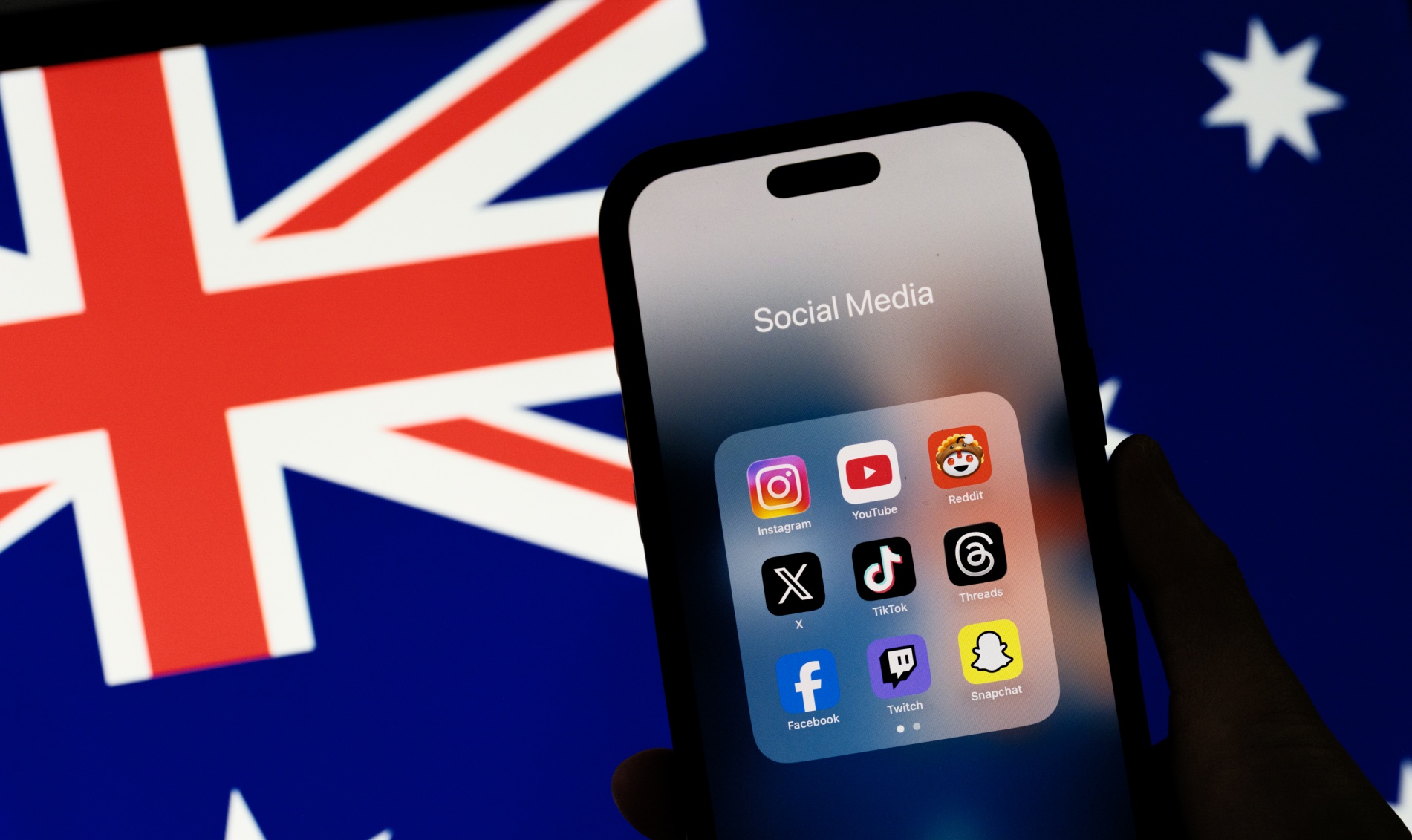
Australia tried to keep kids off social media. Its ban has had the opposite effect.

Nine months after Australia's youth social media ban came into force, usage data shows teen time on the platforms has held steady or edged up. The finding suggests a hard regulatory restriction alone does not shift behaviour when workarounds are trivial. A relevant data point for anyone drafting age-gating policy elsewhere.

marketingdive.com

Microdrama advertising surges as downloads soar

Active advertisers on microdrama apps rose 132% in the first half of the year as the vertical short-form serial format moves from curiosity to media channel. The format compresses a soap opera into minute-long episodes designed for the same swipe reflex as short video. It is worth watching as a genuinely new inventory type rather than another wrapper on existing video.

digiday.com

How AI search has impacted the web traffic of over 50 advertisers

Measured across 54 monitored advertiser clients, Google's AI Overviews have cut organic web traffic by more than 10% on average. Direct-to-consumer brands and high-consideration purchases take the worst of it, because those are precisely the queries an AI Overview answers in place. High-consideration categories are structurally the most exposed. Owned destinations are losing their share of the journey while cited third-party content gains.

searchengineland.com

AI search is here, but marketers still call it SEO

New research finds 81% of marketers still describe their internal AI search visibility work as SEO, despite the industry pushing GEO and AEO as replacement terms. The same study reports an average 24% of total search or content budget already allocated to AI search visibility, and buyers valuing case studies and clear methodology far above terminology fluency. The money has moved even though the vocabulary has not, which makes the acronym a barrier rather than a shortcut.

searchengineland.com

Duane Forrester: AI is rewriting SEO, but the mission is the same

Industry veteran Duane Forrester argues AI is rewriting the mechanics of SEO, but the underlying mission, matching content to what someone wants at the moment they want it, has not changed. It is a useful corrective against overreacting to every AI-search algorithm shift. A good grounding read alongside more tactical GEO pieces.

Follow this the easy way.

The daily brief covers this topic and the four others, in one email each morning.

One email each morning, around 07:00 CET. Unsubscribe in one click. Your address is never sold, never shared.