Food For Your Brain

Topic

Science

Peer reviewed work on attention, behaviour and media, before it becomes a LinkedIn statistic.

21 marks · first on 4 May 2026 · latest on 28 August 2026

Often filed alongside

sciencedaily.com

Your dislike of eating bugs may be 9,000 years old

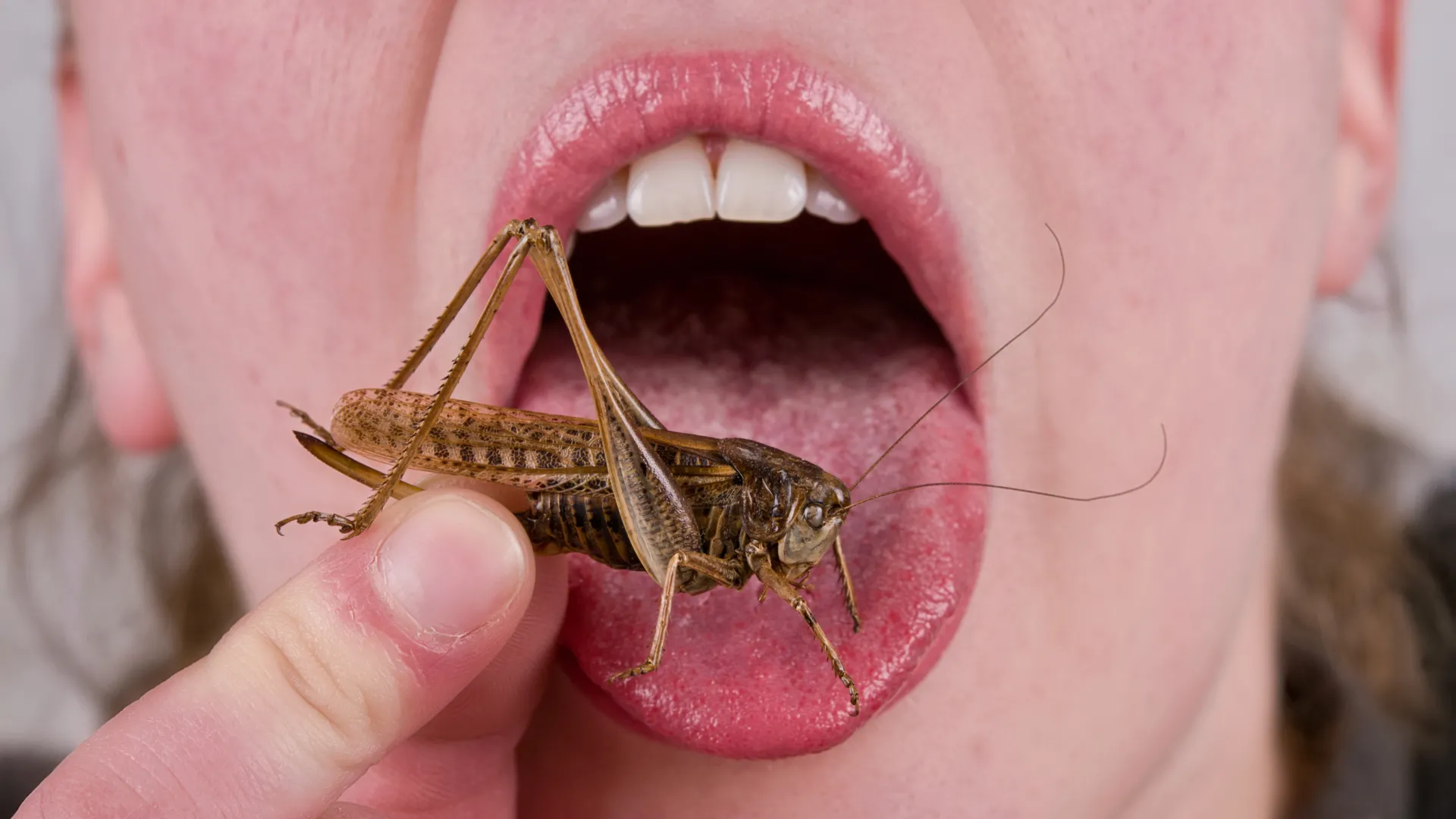
Research traces aversion to eating insects back roughly 9,000 years, suggesting the disgust response predates most cultural and religious food taboos rather than being caused by them. A fun data point for anyone working on alternative-protein or novel-food messaging: this framing suggests the resistance is deeper and older than typical category-education campaigns assume.


sciencedaily.com

AI searched 100 million possibilities to find a cheaper way to 3D-print a NASA rocket alloy

Researchers used machine learning to evaluate roughly 100 million possible parameter combinations for 3D-printing a NASA rocket alloy, and found a cheaper printing route. A clean illustration of AI as exhaustive search over a space too large to enumerate by hand, which is the honest version of what discovered by AI usually means.

sciencedaily.com

Coffee drinkers have less fat, more muscle, and surprising hormone differences

Finnish researchers found coffee drinkers had lower body fat, more muscle mass, and different hormone profiles than non-drinkers despite matching BMI, suggesting BMI alone misses meaningful physiological differences. It is a handy analogy for explaining to stakeholders why simple proxy metrics, like followers or impressions, can mask the real underlying story. A small but well-controlled study worth citing carefully rather than over-generalizing.

sciencedaily.com

Scientists turn Starlink into a giant scanner for Earth's upper atmosphere

Researchers used telemetry from roughly 1,200 Starlink satellites to map atmospheric density at 500 km altitude, turning a commercial constellation into an instrument it was never designed to be. The data should improve satellite tracking and reduce collision risk in crowded orbits. The most valuable dataset here was a by-product nobody set out to collect.

sciencedaily.com

60,000-Year-Old Ostrich Eggshell Engravings Reveal Sophisticated Human Mind

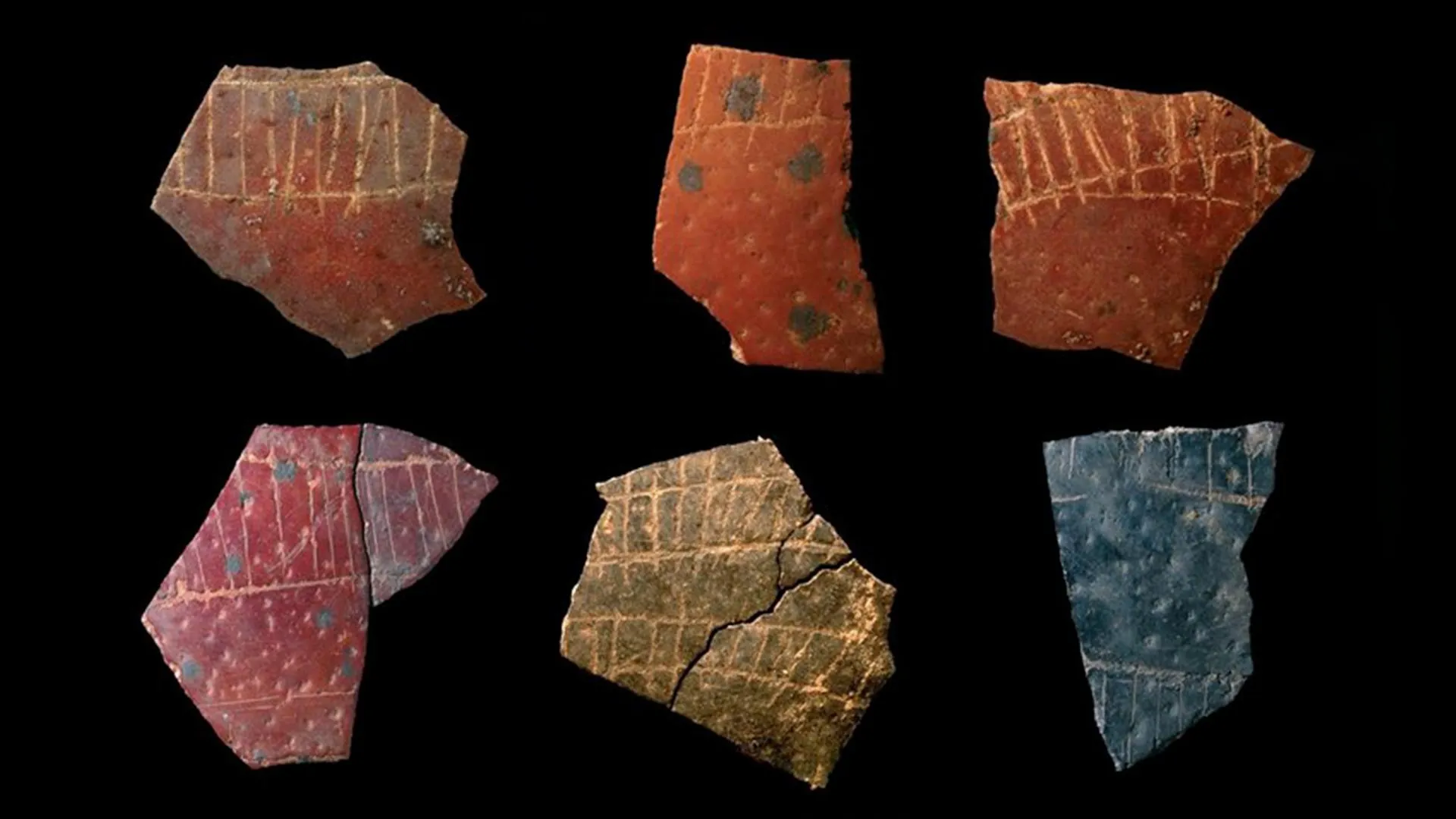
Engravings on ostrich eggshell fragments dated to roughly 60,000 years ago show recurring grids, parallel lines, right angles and repeated shapes. The regularity points to deliberate planning and a shared visual code rather than decoration. It is early evidence of humans encoding meaning in a system other people were expected to read.

sciencedaily.com

Cancer-fighting chewing gum cuts HPV levels by up to 93%

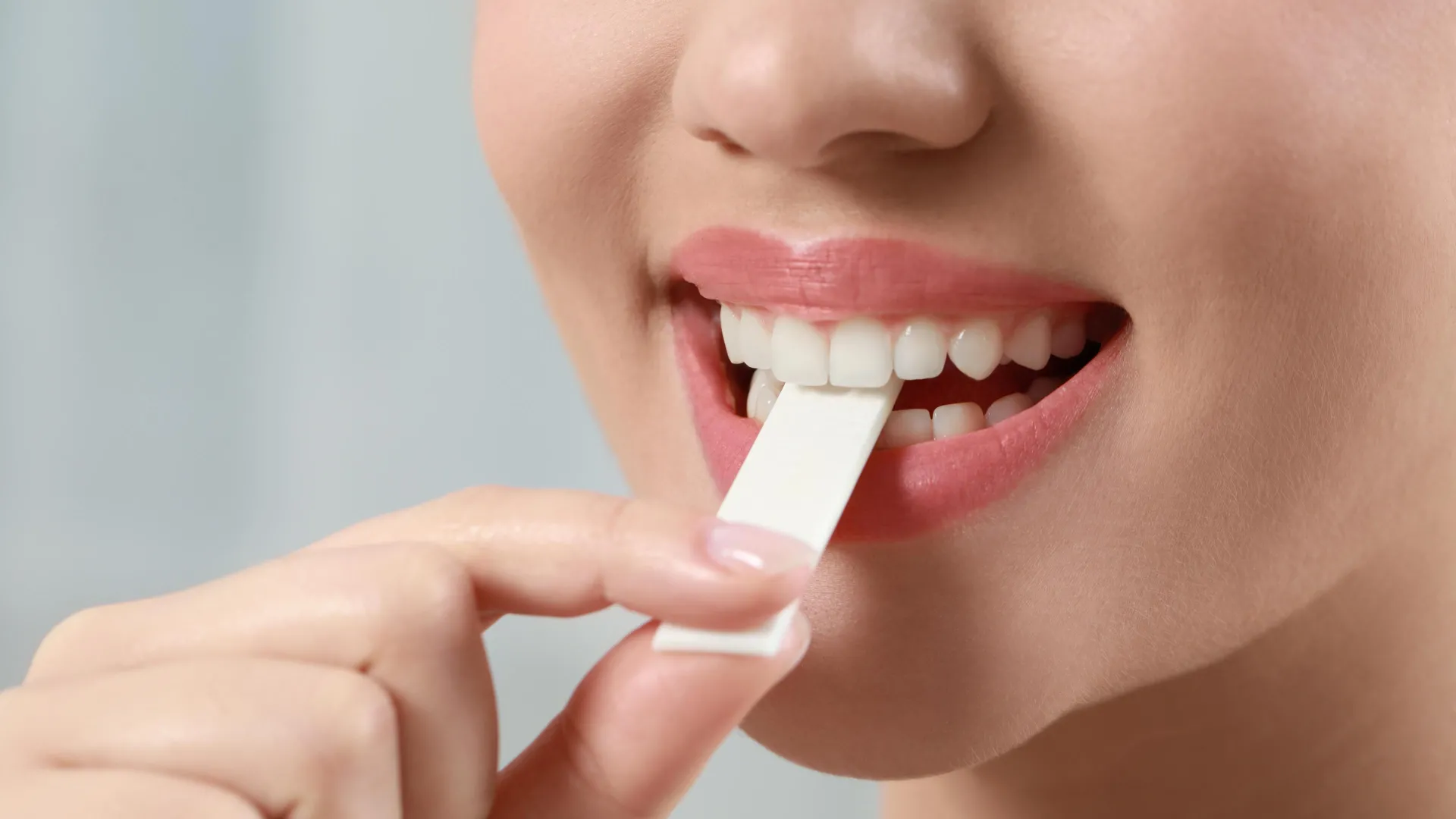
An engineered chewing gum reduced oral HPV levels by as much as 93 percent while leaving beneficial oral bacteria intact. The selectivity is the achievement, not the reduction alone. A mundane delivery format solved what more sophisticated approaches had not. The format that fits an existing daily habit tends to beat the one requiring a new behaviour.

sciencedaily.com

Life depends on the universe being tuned to the right viscosity

The universe's fundamental constants, Planck constant and electron charge among them, sit in an extraordinarily narrow bio-friendly window. Shift them a few percent and water and blood become too thick or too thin for biology to work: a 2 percent change in electron charge could make blood as viscous as tar. Previous fine-tuning arguments looked at stars and nuclear reactions, this adds a second layer, liquids that flow.

sciencedaily.com

Depression may soon be detectable with a blood test, the biomarker is immune cell aging

Accelerated biological aging in monocytes tracks closely with the emotional and cognitive symptoms of depression (anhedonia, hopelessness, loss of pleasure) rather than the physical ones. A monocyte specific epigenetic clock proved a consistent biomarker across 440 women. A first objective marker for a condition diagnosed until now only by self report.

Follow this the easy way.

The daily brief covers this topic and the four others, in one email each morning.

One email each morning, around 07:00 CET. Unsubscribe in one click. Your address is never sold, never shared.