Food For Your Brain

Archive

Everything, read first.

No wall, no account, no trimmed notes. If a link is here, someone opened it and wrote down why it mattered.

417 marks · since 20 April 2026 · 0 sponsored

Browse by topic

technologyreview.com

Your brain on AI

MIT Media Lab research finds chatbot users get better at spotting misinformation while the assistant is present, then score 15% below their own baseline once it is taken away. The study also separates two designs: AI that asks Socratic questions builds independent judgement, AI that hands over direct answers erodes it. How a tool answers shapes capability more than what it answers. The practical read is to use assistants to challenge a draft rather than to produce one.

digiday.com

USA Today Co. is reformatting content to attract more AI licensing deals

The publisher is restructuring content formats so its material is easier for AI systems to ingest and surface in answer engines. It is a bid to monetise trusted journalism through machine distribution rather than page views. Notable as a supply-side move: publishers reshaping their output for the citation layer changes what AI engines have available to quote.

tubefilter.com

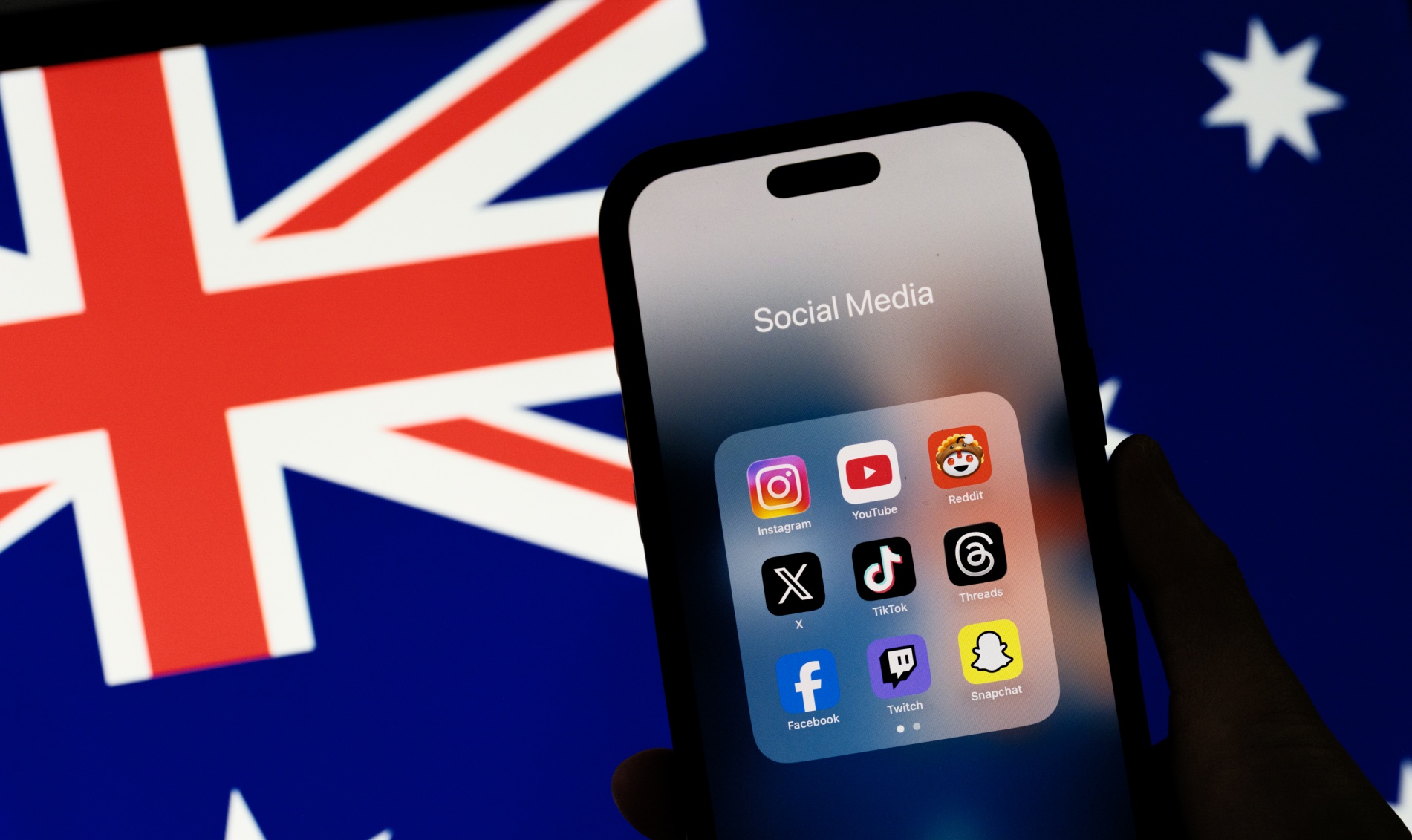
Australia tried to keep kids off social media. Its ban has had the opposite effect.

Nine months after Australia's youth social media ban came into force, usage data shows teen time on the platforms has held steady or edged up. The finding suggests a hard regulatory restriction alone does not shift behaviour when workarounds are trivial. A relevant data point for anyone drafting age-gating policy elsewhere.

tubefilter.com

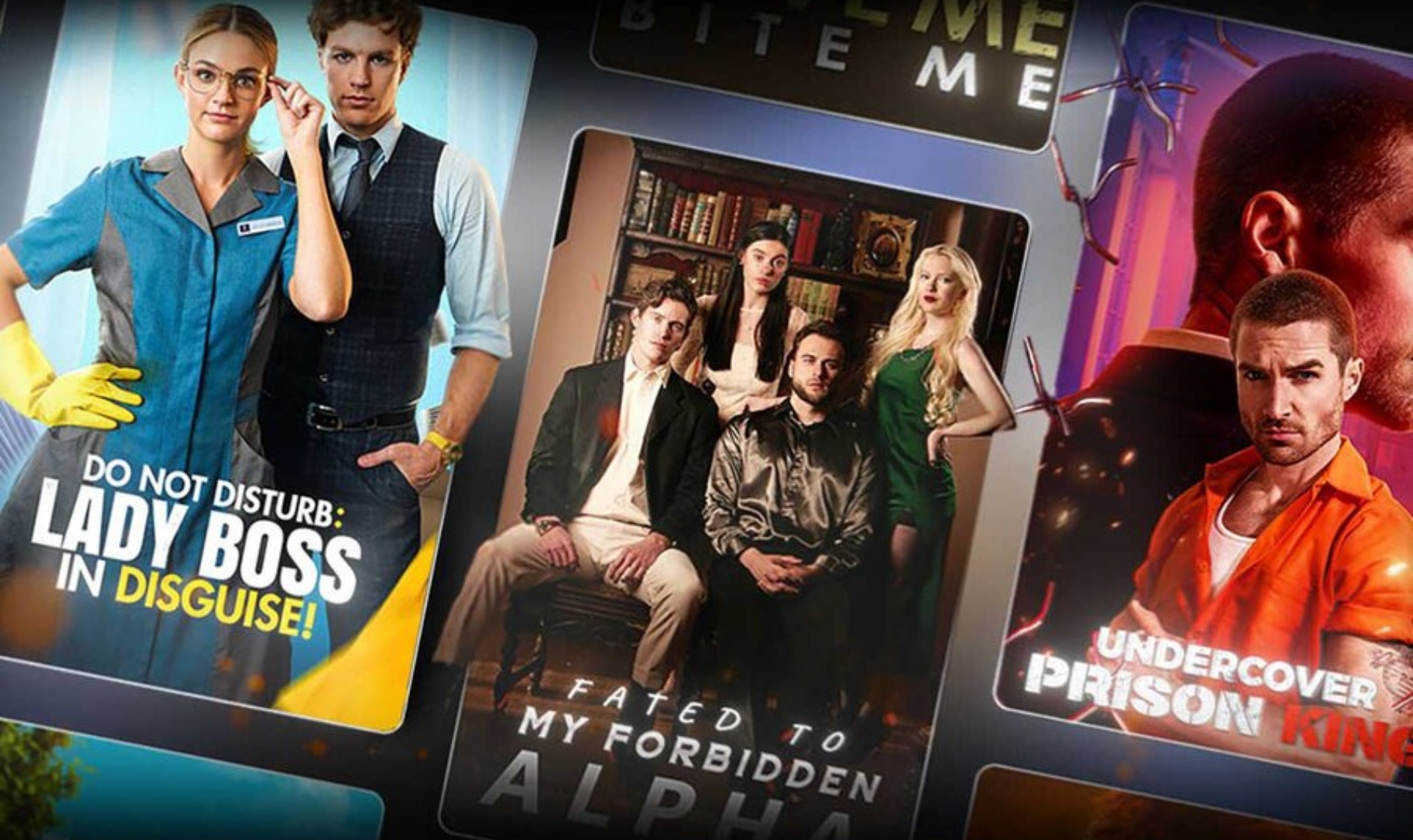
Microdramas have the highest ad density of any app category, and downloads topped 1 billion

Microdrama apps recorded 1.45 billion downloads in the first half of 2026 and carry the highest ad density of any app category. The format is short serialised vertical fiction, cheap to produce and built for interruption. Worth watching as a native format that arrived without any of the established platforms inventing it.

tubefilter.com

TikTok launches The Creator's Cut, a newsletter about TikTok LIVE

TikTok has started a Substack newsletter aimed at teaching creators how to run live streams, covering timing and discoverability for its vertical format. A platform publishing an education channel off its own property is a small signal that live discovery is not self-explanatory. Live remains the least documented surface on every major platform.

searchengineland.com

ChatGPT Ads adds automated bidding, platform targeting

ChatGPT Ads added a Maximize results automated bid strategy plus per-surface targeting (iOS, Android, Web) and view-through conversion reporting. So what: OpenAI is racing ChatGPT Ads toward feature parity with mature ad platforms, so measurement teams should start separating click-through from view-through conversions now, before budgets shift toward this channel.

marketingdive.com

Publicis tackles fragmented NIL market with Travis Kelce, 3 Arts Sports

Publicis Sports, Travis Kelce and 3 Arts Sports launched Tekta, a consulting venture aiming to standardize college-athlete NIL deals with unified measurement and a claimed 50-70% faster deployment than existing solutions. So what: a sign that athlete influence is being industrialized with agency-grade measurement, a template worth watching for structuring creator partnerships at scale.

socialmediatoday.com

TikTok launches newsletter to share creator insights

TikTok launched The Creator Cut, a Substack newsletter spotlighting creator livestreaming strategies, part of its push to grow TikTok Live and live commerce in the mold of Douyin. So what: a direct window into what TikTok wants creators optimizing for on Live, useful for briefing talent and anticipating where the platform's product focus is headed next.

prnewsonline.com

Podcast Guesting Is a Core PR Strategy. Here's How to Get Your Client Booked.

Podcast guest pitching is emerging as a structured earned-media channel: listeners trust the host, not the guest, so bookings hinge on producer relationships and pitches that describe the episode's value rather than the guest's credentials. So what: treat podcast outreach with the same rigor as influencer seeding, building relationships with producers ahead of any pitch.

tubefilter.com

Twitch and Amazon face a class action over training AI on streamers' content

A Connecticut streamer has filed a class action alleging Twitch fed creator streams and chat data into Amazon's AI model training without consent. The complaint attacks the opt-out mechanism put in place after the programme was announced, arguing that silence was treated as permission. It is the first serious legal test of a platform harvesting creator output as training material. Every creator contract signed from here on needs an explicit AI clause, in both directions.

socialmediatoday.com

New Zealand introduces teen social media restrictions

New Zealand now requires platforms including Instagram and TikTok to verify that users are over 16, following Australia down the same road. Enforcement sits with the platforms rather than with parents, which is what makes it bite. Two markets in one region have now legally redrawn who a brand can reach on social. Age verification has become a market-level compliance constraint, not a platform setting.

techcrunch.com

OpenAI is building AI agents for everything. Will everyone use them

OpenAI is extending its agent products well past software engineering into general knowledge work, betting that autonomous task execution goes mainstream. The open question is adoption rather than capability: the tools are arriving faster than the habits and the trust needed to use them. Inside large organisations the real constraint is workflow trust, and the useful question is which specific bottleneck an agent actually removes.

digiday.com

AI advertising's measurement problem is really a governance problem

As OpenAI builds out its advertising business, the industry is chasing standardised measurement when the actual gap is governance: who defines the metric, who audits it, and who arbitrates when the platform marks its own homework. The stakes climb as language models become a primary route to information. Standardising a number without naming its owner produces a number nobody trusts. The ask that travels is a named owner, not a target figure.

adage.com

How YouTube monetization is changing for the platform's smaller creators

YouTube is moving its ad revenue sharing thresholds at the same moment brands are pushing more money into direct creator partnerships. The result is a squeeze at the bottom of the creator pyramid and a widening gap between platform revenue and brand revenue. Brand money becomes the primary income line for creators below the top tier rather than the supplement. That makes this a buying window for the credible middle rather than the biggest audiences.

tubefilter.com

YouTube expands Stations beyond music and into creator content

YouTube is opening its Stations format to creator content, podcasts and emerging artists, building an always-on lean-back experience aimed at Netflix and the free ad-supported channel market. It pushes the platform closer to television than to a video library. If consumption shifts toward continuous programming, a channel is judged on whether it can sustain a strip rather than publish an upload. That rewards programming over posting.

marketingdive.com

Microdrama advertising surges as downloads soar

Active advertisers on microdrama apps rose 132% in the first half of the year as the vertical short-form serial format moves from curiosity to media channel. The format compresses a soap opera into minute-long episodes designed for the same swipe reflex as short video. It is worth watching as a genuinely new inventory type rather than another wrapper on existing video.

digiday.com

How AI search has impacted the web traffic of over 50 advertisers

Measured across 54 monitored advertiser clients, Google's AI Overviews have cut organic web traffic by more than 10% on average. Direct-to-consumer brands and high-consideration purchases take the worst of it, because those are precisely the queries an AI Overview answers in place. High-consideration categories are structurally the most exposed. Owned destinations are losing their share of the journey while cited third-party content gains.

searchengineland.com

AI search is here, but marketers still call it SEO

New research finds 81% of marketers still describe their internal AI search visibility work as SEO, despite the industry pushing GEO and AEO as replacement terms. The same study reports an average 24% of total search or content budget already allocated to AI search visibility, and buyers valuing case studies and clear methodology far above terminology fluency. The money has moved even though the vocabulary has not, which makes the acronym a barrier rather than a shortcut.

digiday.com

X creates a new revenue model for creators, but will it actually win them over

X launches its Original Content Rewards Program next month, paying creators for quality original posts rather than raw engagement. The obstacle is not the payout formula but the feed itself, which media buyers and creator agents say erodes the value of anything published there. A revenue model cannot fix a context problem. Worth watching as a test of whether money alone can pull creators back to a platform they have written off.

techcrunch.com

Is it legal to train AI models on copyrighted books? It's complicated

Most published authors have unknowingly had their work used to train AI models, and whether that is legally permissible remains genuinely unsettled across jurisdictions. This matters beyond publishing: any brand or creator putting out long-form content is effectively training data too, and the eventual legal outcome will shape licensing and compensation norms for content broadly. Worth monitoring as case law develops.

Get tomorrow's, without coming back.

One email each morning. The same links, the same notes, in your inbox instead of your bookmarks.

One email each morning, around 07:00 CET. Unsubscribe in one click. Your address is never sold, never shared.