Food For Your Brain

Archive

Everything, read first.

No wall, no account, no trimmed notes. If a link is here, someone opened it and wrote down why it mattered.

417 marks · since 20 April 2026 · 0 sponsored

Browse by topic

searchengineland.com

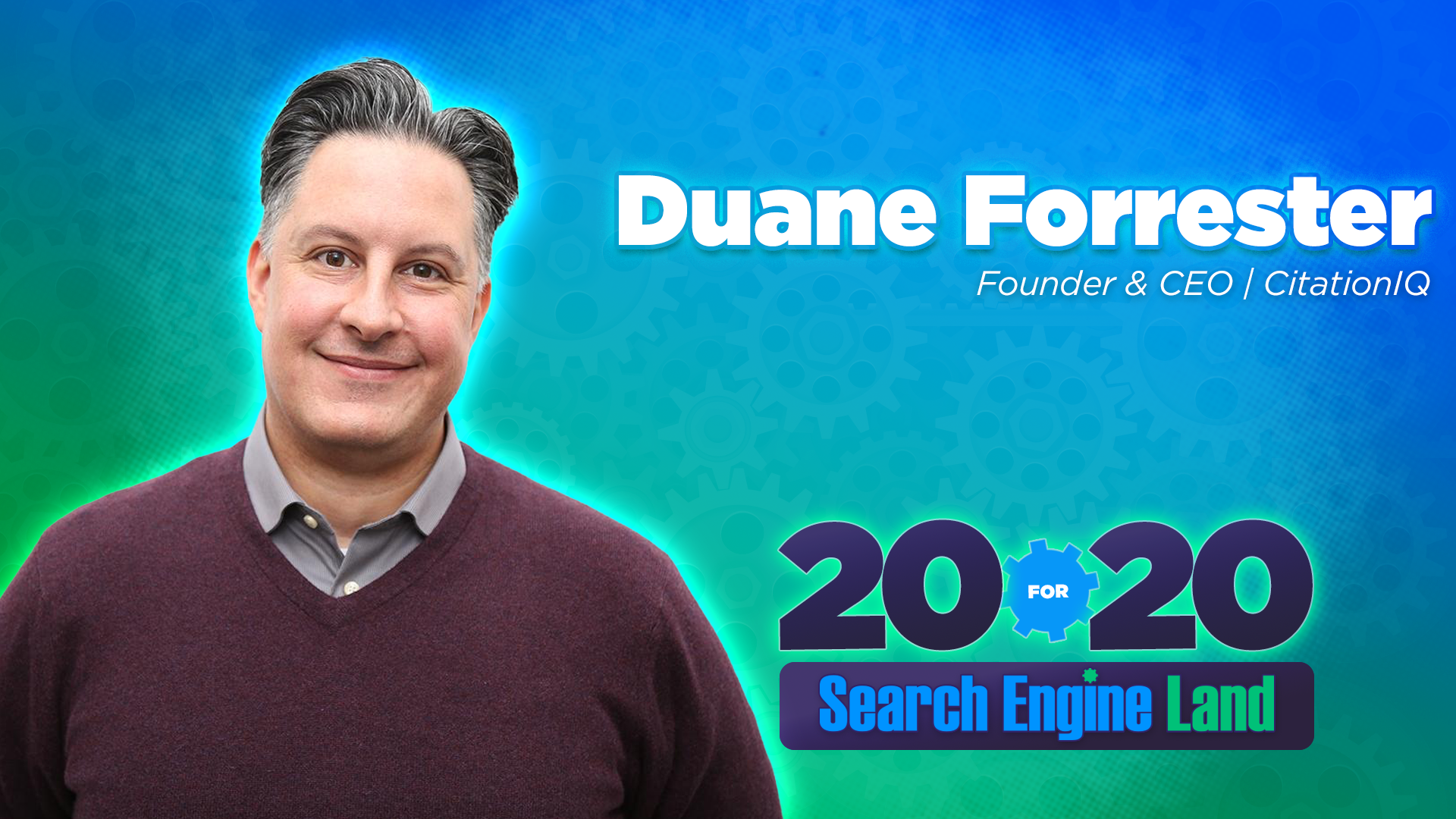
Duane Forrester: AI is rewriting SEO, but the mission is the same

Industry veteran Duane Forrester argues AI is rewriting the mechanics of SEO, but the underlying mission, matching content to what someone wants at the moment they want it, has not changed. It is a useful corrective against overreacting to every AI-search algorithm shift. A good grounding read alongside more tactical GEO pieces.

prnewsonline.com

PR Roundup: Lucky Charms Wins RushTok, AI Search Rewards Relevance Over Scale, and eos Shows What Community Engagement Looks Like

This roundup bundles three concrete data points: Lucky Charms' RushTok stunt drove real engagement, AI search engines are rewarding content relevance over sheer scale, and eos is treating community engagement, not reach, as its core social metric. The AI-search point is the most actionable, reinforcing that optimizing for citation in AI answers is becoming distinct from classic SEO scale plays. Worth rereading when planning always-on content strategy.

thedrum.com

GEO and the economics of discovery

A sharp explainer on generative engine optimization: as AI answer engines replace some search behavior, the economics of being cited, or not, inside an AI answer reshape how discovery and referral traffic actually work. It argues brands need a distinct GEO strategy rather than treating it as a subset of SEO. Useful framing for anyone building an AI-search measurement plan.

fastcompany.com

AI has young writers between a rock and a hard place

Young writers and junior content creators are getting squeezed from two sides: pressure to use AI tools to keep pace, and false accusations of AI use that damage credibility even when the work is genuinely human-made. The piece surfaces an emerging trust problem likely to spread to any content-heavy discipline, including social and copywriting teams. Worth watching how platforms and clients start verifying authorship.

socialmediatoday.com

Instagram stresses the importance of captions

Instagram is pushing creators and brands to treat captions as substance rather than filler, urging that copy should tell a story or add real information. It is a small platform signal, but a useful reminder that caption quality still affects reach and retention even as video dominates feeds. A good prompt to revisit caption guidelines in any content playbook.

socialmediatoday.com

X launches MCP server

X has launched an MCP (Model Context Protocol) server, letting advertisers plug AI agents and tools directly into campaign workflows. It is one of the first native MCP integrations from a major ad platform, signalling that AI-agent access to ad tooling is becoming a real distribution channel rather than just a chat interface. Worth tracking as other platforms roll out their own MCP endpoints.

socialmediatoday.com

Will Meta be found guilty of driving social media addiction?

A major US lawsuit against Meta opened last week with potential damages reported at up to a trillion dollars, centred on whether platform design deliberately drives compulsive use. The outcome would reach far beyond Meta, since the same design patterns are industry standard. Relevant to anyone whose distribution depends on surfaces whose legal footing is contested.

tubefilter.com

Dr. Plants will lay out his playbook for getting 50 million views on every video

Jaron Brower, known as Dr. Plants, posts roughly three videos a year and reaches around 50 million views on each. His stated formula is high effort storytelling and deliberate scarcity rather than cadence. A clean counterexample to volume based content models, and a reminder that publishing frequency is a choice rather than a requirement.

tubefilter.com

Senators question TikTok over algorithm experiment that withheld safeguards

Bloomberg reporting revealed TikTok withheld content safeguards from around 15 million users held as a control group in an algorithm experiment. Senators are now demanding answers, and the case has become part of a wider legal argument about platform design. A concrete instance of platform risk that sits upstream of anything a brand controls on the same surface.

tubefilter.com

Dhar Mann is doing business with Disney

Dhar Mann Studios has signed to produce 20 original episodes for Disney aimed at kids and families. It is another step in creators moving from platform talent to studio supplier, with the library rather than the audience as the asset being bought. Worth watching as a template for how creator owned IP gets valued by traditional media.

searchengineland.com

How to measure the true value of creators and review content

Adam Riemer argues review and creator content drifts over time from acquisition into parasitic margin leakage, commissions paid on repeat visits from customers already inside the funnel. His test is incrementality rather than attribution: a platform reporting 100,000 dollars in attributed revenue has evidenced participation in transactions, not causation. He also notes that niche creators and influential sites appear to shape AI generated answers, while refusing to turn that observed visibility into a claim about training data. Unusually disciplined about the limits of its own evidence.

socialmediatoday.com

YouTube expands its always-on Channels experiment

YouTube has widened access to Channels, labelled Stations in product, which turns a body of content into a 24/7 lean-back stream with live chat so viewers arrive into a shared room instead of picking a video. It began with a Coachella experiment in April 2026 and the August expansion admits only a small number of new musicians, podcasters and media creators. Available globally except Portugal, Switzerland and Turkiye. It is the third TV-shaped format in a month, and each one assumes the content sits in a single deep library.

marketingdive.com

Why Nuuly is betting on a microdrama for its social-first fall campaign

The Urban Outfitters owned rental brand is running its autumn campaign as a serialised microdrama about modern dating rather than as a campaign film cut into social edits. The bet is that narrative continuity earns return visits in a feed where a single execution gets one pass. Serialisation is a format decision available to anyone: it costs sequencing discipline rather than budget.

digiday.com

OpenAI is sharpening its focus on enterprise advertisers

OpenAI is recruiting a head of ads enterprise marketing at 374,000 to 415,000 dollars, with the stated ambition of becoming a premium advertising platform for the world's marketers. A hiring signal rather than a product launch, but an unusually explicit one. If assistant answers become a paid surface, arguments about what AI engines cite gain a competitor in placement, and any honest case will have to separate being cited from being bought.

digiday.com

The new AI playbook: the rules brands are setting around customer-facing content

A survey of how large advertisers including Goodwipes, Hilton and Unilever are codifying where generative AI may touch customer-facing work: heavy use upstream in production and optimisation, tighter constraints the closer output gets to the customer. These are written internal rules rather than public positions, and they are being set before an incident rather than after one. The workable version governs where AI output appears, not whether AI was used, because rules written the other way round cannot be enforced.

marketingdive.com

Creator fit beats follower count for brands: here's what the numbers say

CreatorIQ surveyed 5,095 creators across 100 regions with Influencers.club. Brands rank creator suitability first and content performance second, with follower count only eighth, yet pay is still strongly indexed on follower count across every platform. On the creator side 67 percent earn under 10,000 dollars a year and compensation has become the top expectation from a partnership, up 16 points on 2025. A rare dataset measuring the gap between stated selection criteria and actual payment structures.

digiday.com

WTF are fandoms, and why are marketers chasing them?

Fandom starts where attention turns into identity, a formulation from Alice Woo at New Engen. The piece names two recurring mistakes: treating fandom as a substitute for media rather than a complement, and trying to operationalise it with metrics too crude to capture depth of identity. Sport, the most mature fandom market, is forecast to add 5.3 billion dollars in advertising spend between 2026 and 2030. The measurement warning is the useful part, since an existing community shows up in neither reach nor engagement rate.

sciencedaily.com

Coffee drinkers have less fat, more muscle, and surprising hormone differences

Finnish researchers found coffee drinkers had lower body fat, more muscle mass, and different hormone profiles than non-drinkers despite matching BMI, suggesting BMI alone misses meaningful physiological differences. It is a handy analogy for explaining to stakeholders why simple proxy metrics, like followers or impressions, can mask the real underlying story. A small but well-controlled study worth citing carefully rather than over-generalizing.

searchengineland.com

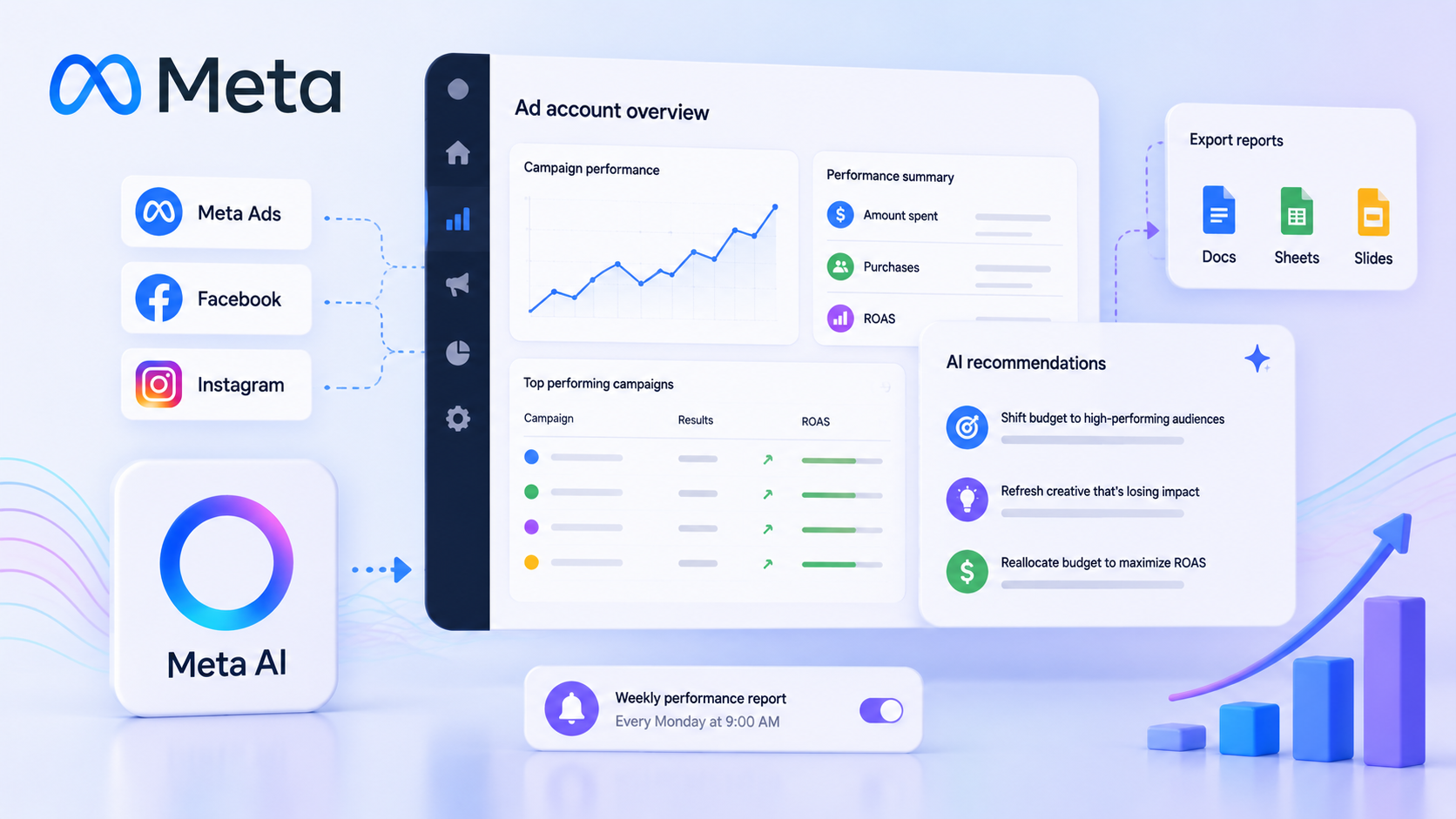
Meta AI can now analyze and optimize Meta Ads campaigns

Meta AI gained the ability to directly analyze Meta Ads campaign performance and recommend or automate optimizations and reporting. This pushes further toward an agentic ad-ops model where the platform's own AI proposes, and potentially executes, optimizations rather than just surfacing dashboards. Media buyers should watch how much decision authority these recommendations quietly absorb.

techcrunch.com

Senators demand answers from TikTok over experiment that disabled safeguards

US senators are pressing TikTok for details after reports it ran an experiment disabling safety safeguards to measure the effect on user engagement. The episode adds fresh regulatory and reputational risk on top of platform performance risk for anyone running always-on TikTok programs. A reminder to track platform-safety scrutiny alongside reach and engagement metrics.

Get tomorrow's, without coming back.

One email each morning. The same links, the same notes, in your inbox instead of your bookmarks.

One email each morning, around 07:00 CET. Unsubscribe in one click. Your address is never sold, never shared.