Food For Your Brain

Topic

Creator economy

How creators get paid, who owns the work, and what happens to brands that treat them as media inventory.

118 marks · first on 12 August 2026 · latest on 17 August 2026

Often filed alongside

searchengineland.com

Why creator content belongs in your AI search strategy

Tinuiti's Q1 2026 research found roughly 82% of AI citations point to earned media rather than a brand's own site. YouTube's presence in Google AI Overviews grew from 3.6 million to 36.2 million keywords year over year, with citation share varying sharply by category, 13% for apparel against 3% for over-the-counter health. The striking number: 40.83% of cited videos had fewer than 1,000 views, which inverts the assumption that visibility follows audience size.

tubefilter.com

Creators rely on brand deals, but only 15% fully trust sponsored content from other creators

CreatorIQ surveyed 5,095 creators. 46% depend on brand partnerships as their primary income, yet only 15% say they fully trust sponsored content from other creators when deciding what to buy. Above 500K followers, 53% report tension between what the audience wants and what the sponsor wants. The trust-building behaviour is naming a product's downsides as well as its upsides.

tubefilter.com

YouTube wrongly labelled Kurzgesagt as AI-generated content

YouTube's automated systems flagged Kurzgesagt, one of the most established hand-animated education channels on the platform, as AI-generated, before reversing the decision. It is roughly the least plausible false positive available, which is exactly what makes it worth noting. Platforms are shipping AI-detection labels faster than the detection works, and the label lands on the channel before any human review.

adage.com

Four friends, 30 brand deals in four months, and equity instead of fees

The 4 in the 5 turned a shared format into 30 brand partnerships in four months, and shifted part of their compensation from flat fees into equity stakes with sponsors. What sponsors are buying is a collective dynamic, not four separate reach figures. Group formats are cheaper to sustain and generate more usable footage per activation, which explains the deal velocity.

tubefilter.com

KSI will stream matches of the football club he co-owns, via DAZN

KSI has struck a deal with DAZN to broadcast Dagenham & Redbridge, the English fifth-tier club he co-owns, with creator-native production instead of conventional sports coverage. The explicit model is CazeTV, the Brazilian creator channel that took World Cup rights and set viewership records. The interesting inversion is that the creator now holds the rights and builds the property, rather than renting an audience to whoever already owns it.

tubefilter.com

Twitch auto-enrols all streamers in having their content scraped for Amazon LLM training

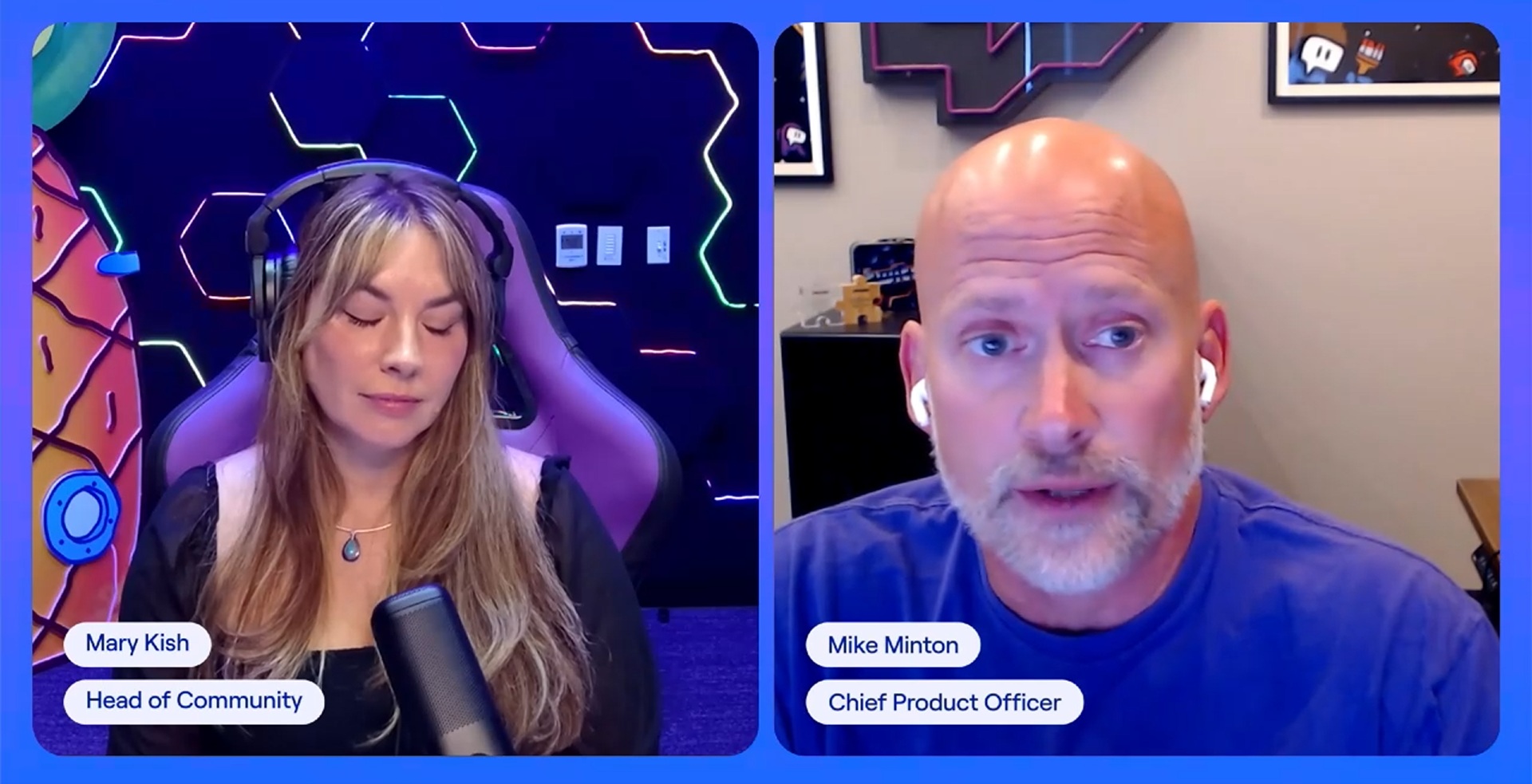
Twitch made scraping of streamer content for Amazon's LLM training the default, with opt-out rather than opt-in. CPO Mike Minton defended it bluntly: if it were opt-in, nobody would opt in. It raises a live question for creator contracts everywhere, since a usage grant covering brand amplification says nothing about the platform ingesting the same asset into a model.

tubefilter.com

Influencer endorsements have created a campaign finance loophole. A proposed law would close it.

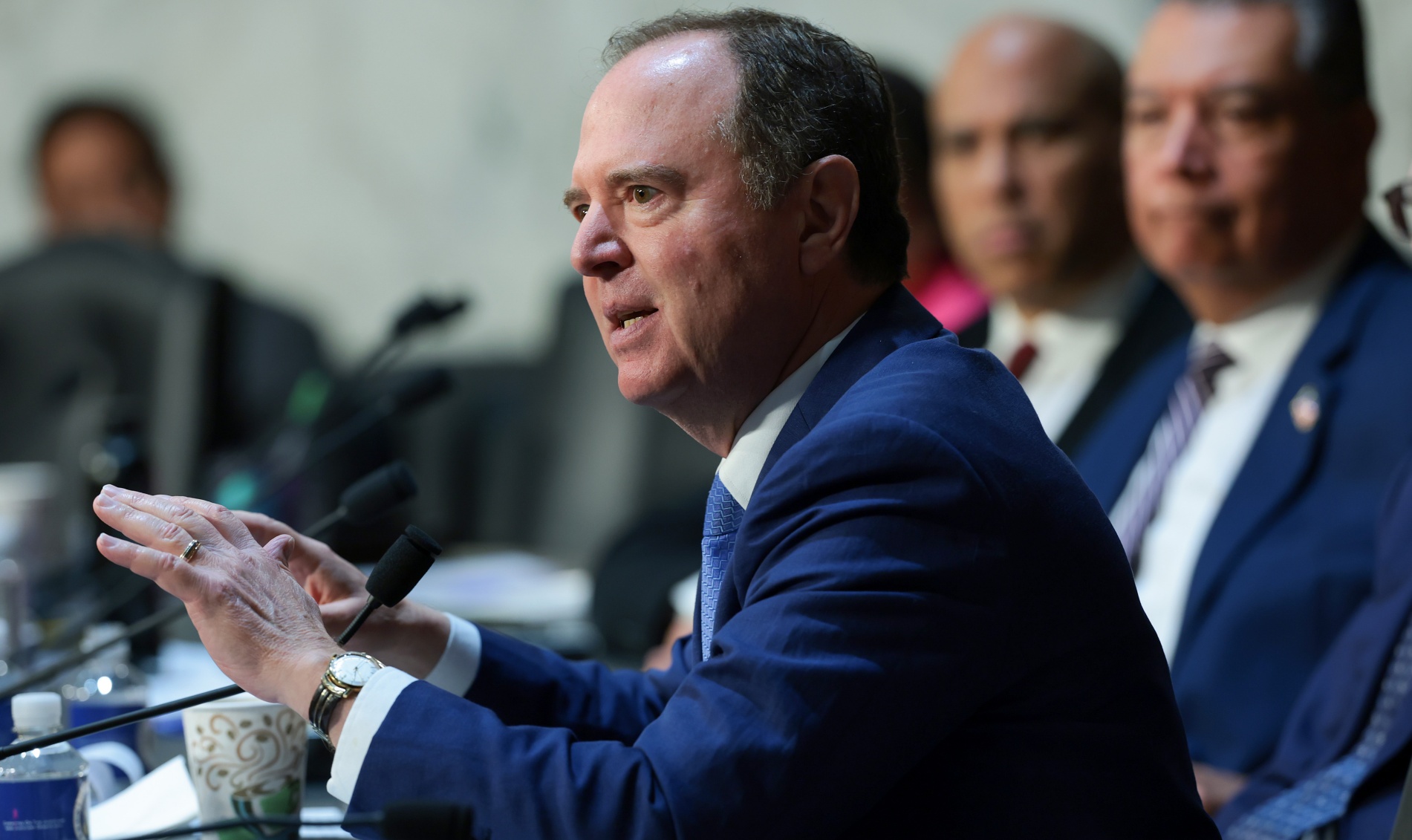
Senator Adam Schiff introduced the PAID Act to close the gap that lets political candidates pay creators for endorsements without disclosure. Neither FTC nor FEC rules currently cover social media influencer payments in political contexts. A useful signal of where disclosure regulation is heading for paid creator relationships generally.

tubefilter.com

Agentio study: creator Partnership Ads beat licensed UGC by 19% on clickthrough

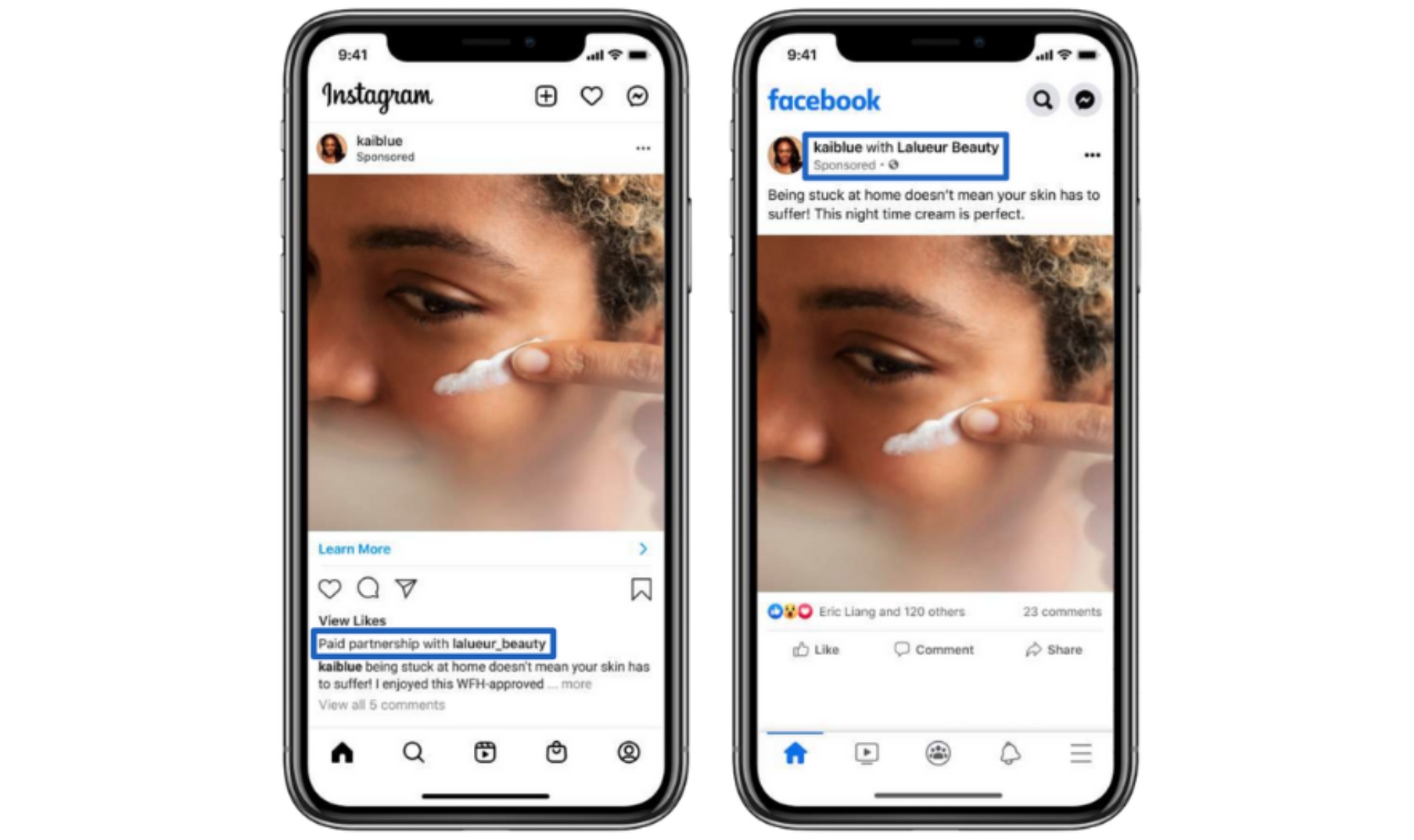
Agentio analysed 65,000 Meta Partnership Ads representing $130 million in spend. Ads running from the creator's own handle delivered 19% better clickthrough than the same content licensed and run from the brand handle. The lesson is that identity is the variable, not the edit: relicensing creator content into brand channels destroys most of what paying the creator bought.

digiday.com

An anatomy of the creator brand trip's midlife crisis

Digiday uses the backlash to OpenAI's luxury creator retreat to examine the hosted brand trip format more broadly. The failure was a mismatch: a heavily curated, opulent experience given to creators whose audiences are bought in on unpolished access. The conclusion is that the trip must offer something genuinely closed to the public, and that spending more on comfort makes the mismatch worse rather than better.

techcrunch.com

Facebook rolls out its standalone Creator Studio app with AI tools for creators

Meta has launched a dedicated Creator Studio app with AI assistance that suggests direction based on content performance, audience interaction and stated creator goals. The play is to keep creators inside Meta's own tooling rather than losing them to third parties. Platforms are now competing on creator workflow, not just distribution.

thedrum.com

As a new YouTuber fund launches, the financialization of the creator economy deepens

A new investment vehicle aimed at YouTube channels extends the pattern of treating creator output as a financial asset class. It sits alongside the rise of equity-based brand deals as evidence that creator businesses are being capitalised rather than simply paid. The consequence is that creator incentives increasingly track investor timelines.

techcrunch.com

YouTube now requires creators to have twice as many watch hours to start earning money

The monetisation bar moves to 8,000 qualified watch hours over twelve months, or 20 million qualified Shorts views over ninety days, double the previous threshold. Existing monetised channels are unaffected, but the entry point for emerging creators becomes materially harder to clear. The survivors reach for brand money earlier in their trajectory.

thedrum.com

Mark Ritson: brands are all in on creators, meanwhile the economics crash

A new report shows creator earnings compressing sharply while brand demand keeps climbing. Ritson argues that gap is a buying opportunity rather than a reason to retreat, because rate cards have not caught up with the underlying supply economics. The useful reading is not that creators are struggling, it is that fee inflation is disconnected from the market.

digiday.com

Zoom relies on creators to boost AI search results

Zoom is moving budget out of paid placement and into creators and journalists, with the stated goal of being cited inside AI answer engines rather than ranking in classic search. The logic is that models quote third-party voices far more than they quote a company's own site. Priceline is reported to be making a similar shift. First mainstream case where AI citation, not reach, is the reason a creator programme gets funded.

digiday.com

Your favorite beauty brands are now also entertainment brands

Brands such as Innisfree have dropped product advertising for comedy and entertainment formats built with creators and comedians, carrying the product inside the narrative instead of announcing it. The target is watch time and share rate, not message recall. Beauty is usually a couple of years ahead of other categories on social formats.

Follow this the easy way.

The daily brief covers this topic and the four others, in one email each morning.

One email each morning, around 07:00 CET. Unsubscribe in one click. Your address is never sold, never shared.