Food For Your Brain

Archive

Everything, read first.

No wall, no account, no trimmed notes. If a link is here, someone opened it and wrote down why it mattered.

434 marks · since 20 April 2026 · 0 sponsored

Browse by topic

digiday.com

Creators build GEO strategies to get discovered by brands and agencies in AI search

Creators are building answer engine optimisation strategies so chatbots surface them when brands hunt for partners. One creator republished her work as structured text articles for model ingestion and drew 3,048 Google impressions in a month, while others run citation audits on themselves and add Wikipedia pages and podcast transcripts. Brands and agencies now query chatbots to see which creators come up most in a category. The catch: that samples who is best documented, not who is best suited.

searchengineland.com

Why creator content belongs in your AI search strategy

Tinuiti's Q1 2026 research found roughly 82% of AI citations point to earned media rather than a brand's own site. YouTube's presence in Google AI Overviews grew from 3.6 million to 36.2 million keywords year over year, with citation share varying sharply by category, 13% for apparel against 3% for over-the-counter health. The striking number: 40.83% of cited videos had fewer than 1,000 views, which inverts the assumption that visibility follows audience size.

techcrunch.com

Anthropic shares more details about how Claude's new watermarks will work

Anthropic published technical detail on watermarking generated content, covering how the marking survives editing for both text and code. It lands alongside Spotify's AI Persona badges and YouTube's own labelling systems. Provenance marking is shipping across model providers and platforms at roughly the same time, so anything generated should be assumed detectable as generated.

marketingdive.com

Crocs hatches new mascot Niles to enrich brand storytelling

Crocs introduced Niles, a six foot reptile mascot who appears in a social series interacting with real employees. The format is a neat answer to the usual blocker on employee content: the mascot carries the entertainment burden so staff only have to react. Nobody is asked to be the performer, which is normally why these programmes stall.

socialmediatoday.com

Google lowers search profile requirements

Google cut the follower threshold for a dedicated search profile from 100,000 to 35,000 on YouTube, Instagram and X, and from 300,000 to 100,000 on TikTok. The profile gives a header image, links to content across formats, and a follow button directly inside search results. Owned real estate on the results page is now claimable by mid-tier accounts rather than reserved for scale.

tubefilter.com

Creators rely on brand deals, but only 15% fully trust sponsored content from other creators

CreatorIQ surveyed 5,095 creators. 46% depend on brand partnerships as their primary income, yet only 15% say they fully trust sponsored content from other creators when deciding what to buy. Above 500K followers, 53% report tension between what the audience wants and what the sponsor wants. The trust-building behaviour is naming a product's downsides as well as its upsides.

digiday.com

Brand marketers are adopting fan-first social media strategies

Large marketers are trading broad reach for deep engagement with a devoted core, and answering them in real time. Poppi took 34% of the functional soda category this way, while McDonald's leans on a marketing director with 40,000 X followers and Marks & Spencer on a staffer with 93,100 on Instagram. The mechanism runs through named individuals rather than brand handles, which means giving up control by design. The named risk is employees leaving with the audience they built.

searchengineland.com

Traffic from AI engines converts at 20 percent, some 61 percent above paid search

Internal data shows LLM referral traffic converting at 20 percent, roughly 61 percent higher than paid search on the same properties. The explanation is intent: someone arriving through an AI citation has already had the comparison done for them and wants authoritative depth, not a funnel, so aggressive landing pages underperform on precisely this audience. It moves AI visibility out of the unmeasurable category and gives it a conversion figure that survives a finance conversation.

tubefilter.com

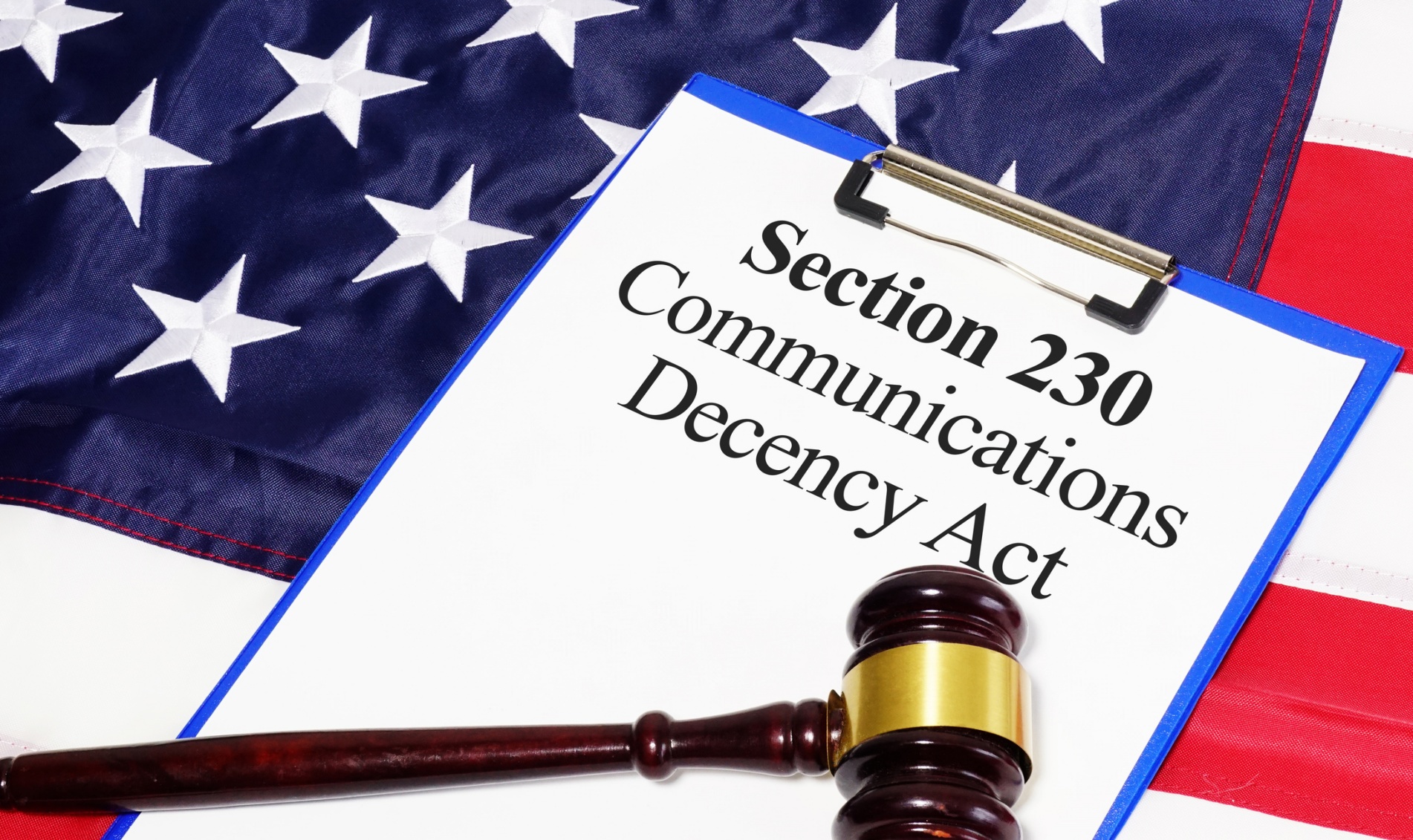
Addiction lawsuits against Meta and TikTok clear Section 230

Courts have allowed social media addiction claims against Meta and TikTok to proceed despite Section 230, the provision that has shielded platforms from liability for user content since 1996, and thousands of cases could follow. Legislators are using the openings to push for reform or repeal, while critics warn that dismantling the statute would damage online expression broadly. The legal floor under the platforms is moving for the first time in nearly thirty years.

techcrunch.com

Google lets users strip the visible watermark from its AI images

Gemini users can now remove the visible watermark from AI-generated images, while the invisible SynthID marker stays embedded. Google's position is that machine-readable provenance survives even when the human-readable signal disappears. That only holds if the receiving platform bothers to read it, which moves AI disclosure from something a viewer notices to something only a machine can verify.

tubefilter.com

YouTube wrongly labelled Kurzgesagt as AI-generated content

YouTube's automated systems flagged Kurzgesagt, one of the most established hand-animated education channels on the platform, as AI-generated, before reversing the decision. It is roughly the least plausible false positive available, which is exactly what makes it worth noting. Platforms are shipping AI-detection labels faster than the detection works, and the label lands on the channel before any human review.

socialmediatoday.com

Instagram unveils its first new logo in over a decade

Instagram has replaced the gradient camera mark it has carried since 2016, its first substantial identity change in more than ten years, to a split reception. The design debate is the least consequential part of it. Platform glyphs live on packaging, signage, event backdrops, end-cards and press kits, so a logo change is really an asset management problem across a surface far wider than any social team controls.

adage.com

Four friends, 30 brand deals in four months, and equity instead of fees

The 4 in the 5 turned a shared format into 30 brand partnerships in four months, and shifted part of their compensation from flat fees into equity stakes with sponsors. What sponsors are buying is a collective dynamic, not four separate reach figures. Group formats are cheaper to sustain and generate more usable footage per activation, which explains the deal velocity.

tubefilter.com

KSI will stream matches of the football club he co-owns, via DAZN

KSI has struck a deal with DAZN to broadcast Dagenham & Redbridge, the English fifth-tier club he co-owns, with creator-native production instead of conventional sports coverage. The explicit model is CazeTV, the Brazilian creator channel that took World Cup rights and set viewership records. The interesting inversion is that the creator now holds the rights and builds the property, rather than renting an audience to whoever already owns it.

searchengineland.com

Shopify: AI referrals up 197%, but organic search still leads traffic

AI-referred sessions grew 197% year on year across Shopify's merchant base while organic search stayed dominant by a wide margin. The detail that matters is where AI performs best: in research-intensive product categories, conversion from AI-referred sessions doubled. Low volume, high intent, which means considered purchases are the category where AI citation earns its keep.

digiday.com

European publishers are getting hit harder by AI bot scraping, report finds

A TollBit analysis shows European publishers face disproportionate AI scraping compared with North American sites, with robots.txt ignored more often. The disparity raises questions about why enforcement appears to differ by region despite stricter European rules on paper. Relevant to anyone weighing whether crawler policy actually protects content.

searchengineland.com

Only 1.1% of news publisher visits come directly from AI: Study

A Scrunch study found that just 1.1% of publisher visits arrive as direct AI referrals, with the rest still coming through direct navigation and traditional search. It cleanly separates two things that get conflated in every AI search conversation: being cited by an engine, and receiving traffic from it. The first is happening at scale, the second is not, which makes AI visibility a consideration play rather than an acquisition one.

tubefilter.com

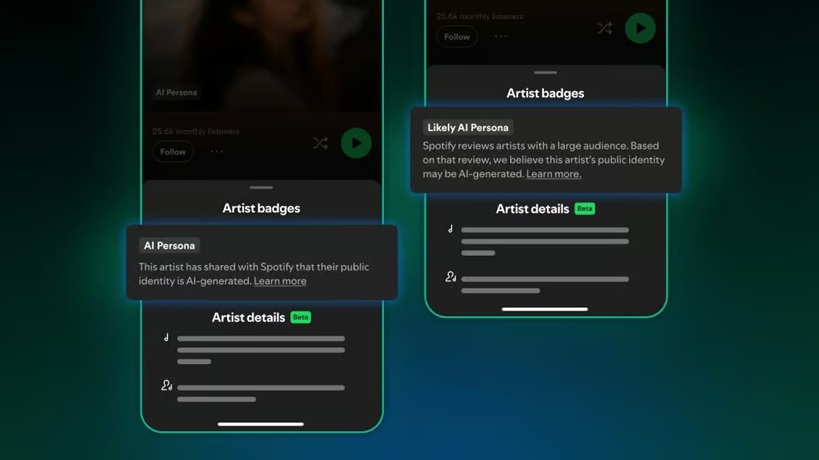
Spotify is cracking down on AI slop with AI Persona badges

Spotify will label AI-generated artist profiles and exclude them from recommendations, having removed 75 million spam tracks in a year. The badge marks the identity of the artist, not the production method: creators using AI tools stay recommendable if they own a recognised personal brand. It is a useful precedent for disclosure policy, since 'this account is not a person' is checkable while 'AI was used' is not.

tubefilter.com

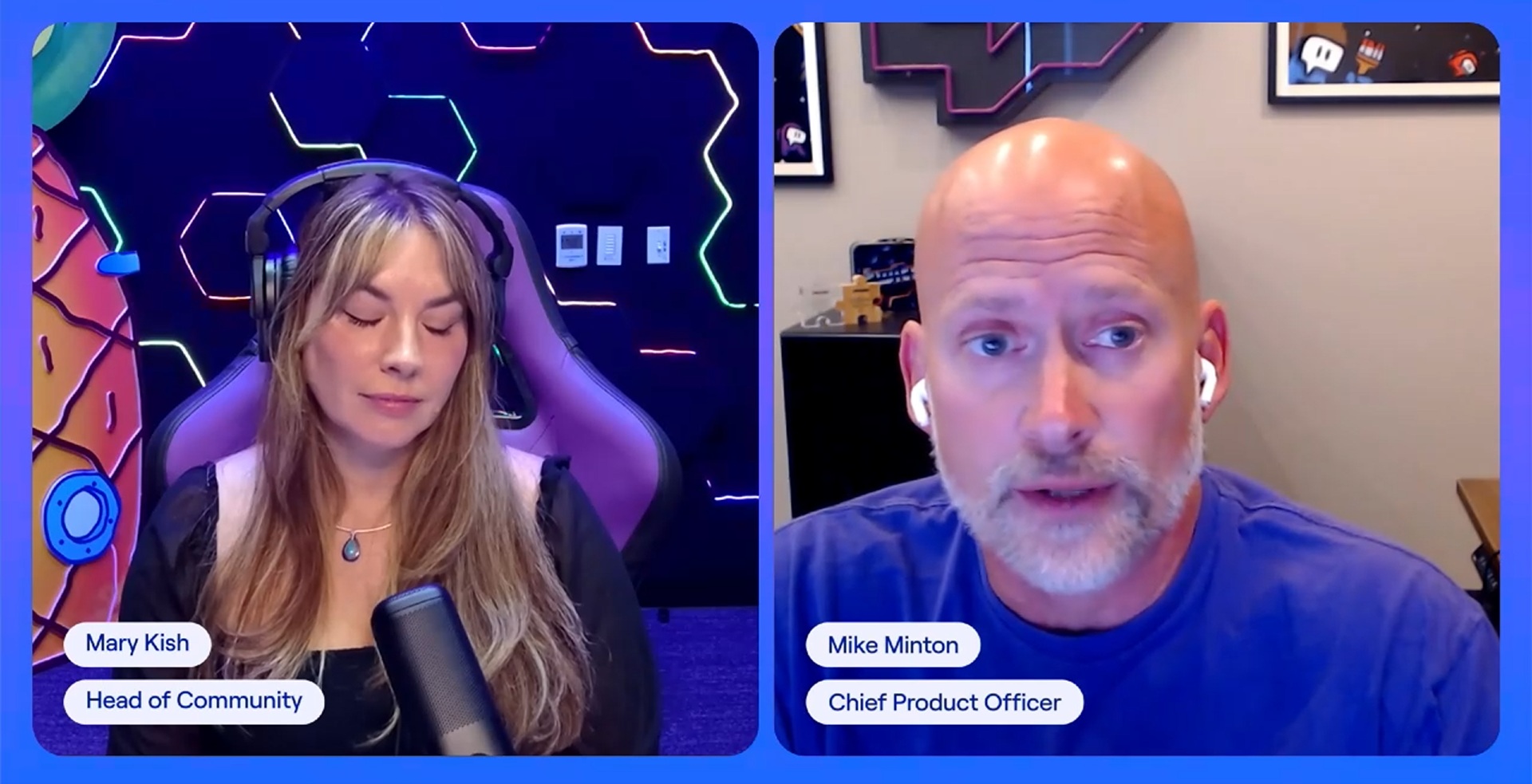
Twitch auto-enrols all streamers in having their content scraped for Amazon LLM training

Twitch made scraping of streamer content for Amazon's LLM training the default, with opt-out rather than opt-in. CPO Mike Minton defended it bluntly: if it were opt-in, nobody would opt in. It raises a live question for creator contracts everywhere, since a usage grant covering brand amplification says nothing about the platform ingesting the same asset into a model.

Get tomorrow's, without coming back.

One email each morning. The same links, the same notes, in your inbox instead of your bookmarks.

One email each morning, around 07:00 CET. Unsubscribe in one click. Your address is never sold, never shared.