Food For Your Brain

Archive

Everything, read first.

No wall, no account, no trimmed notes. If a link is here, someone opened it and wrote down why it mattered.

434 marks · since 20 April 2026 · 0 sponsored

Browse by topic

socialmediatoday.com

YouTube expands access to its in-app AI chatbot

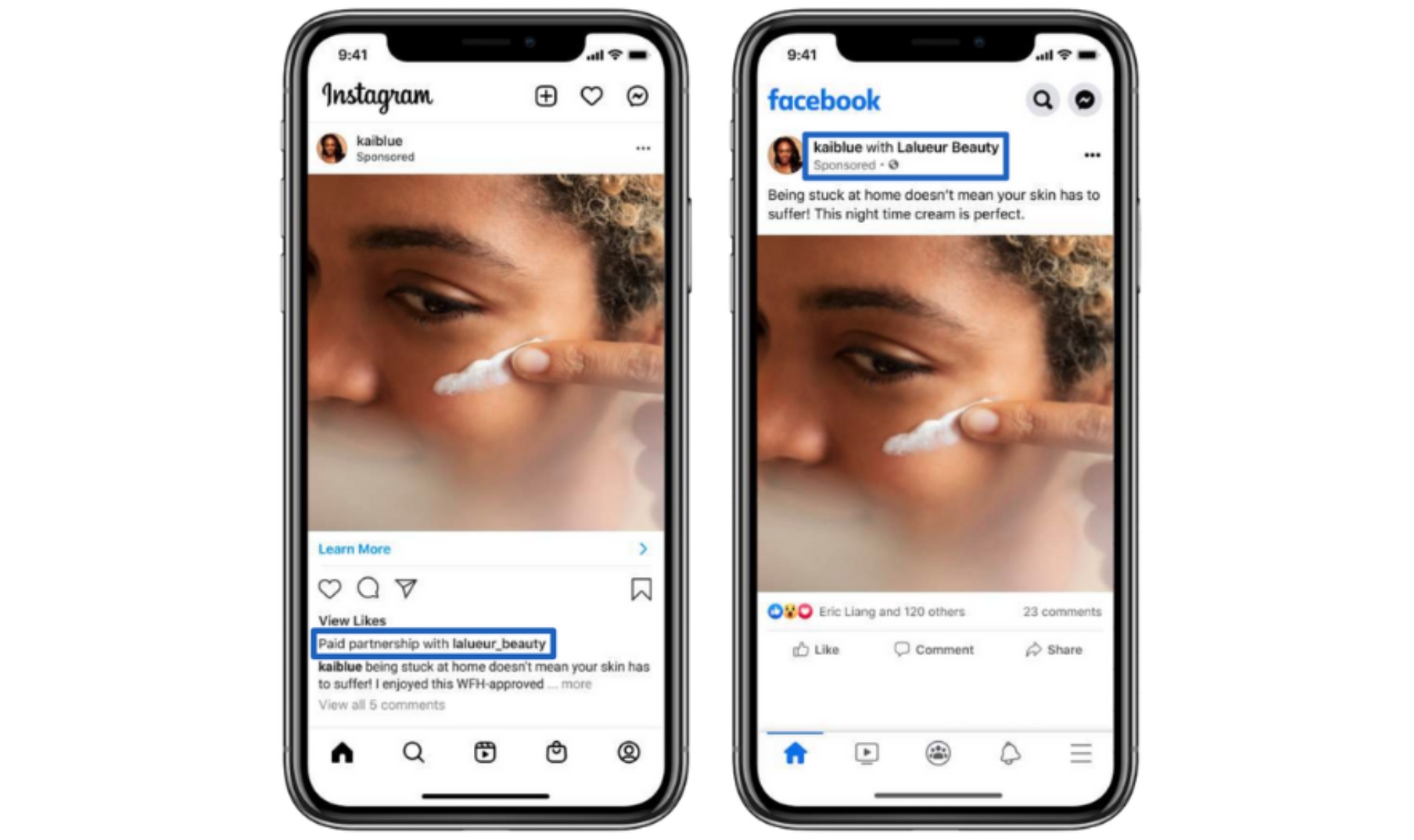
YouTube's conversational assistant is now available on desktop, mobile and TV, answering contextual questions about the video being watched. Viewers no longer need to go to the comments to ask. The consequence for anyone running community engagement is that comment volume becomes a weaker proxy for audience curiosity, since informational questions get absorbed upstream.

techcrunch.com

X open sources its ranking algorithm, letting users see if they've been shadowbanned

X published its ranking code to GitHub and shipped a tool letting account holders check whether their content has been restricted. It is the first time a major platform has paired algorithm disclosure with a per-account visibility diagnostic. Reach loss moves from a hunch to a testable claim, at least on one platform.

tubefilter.com

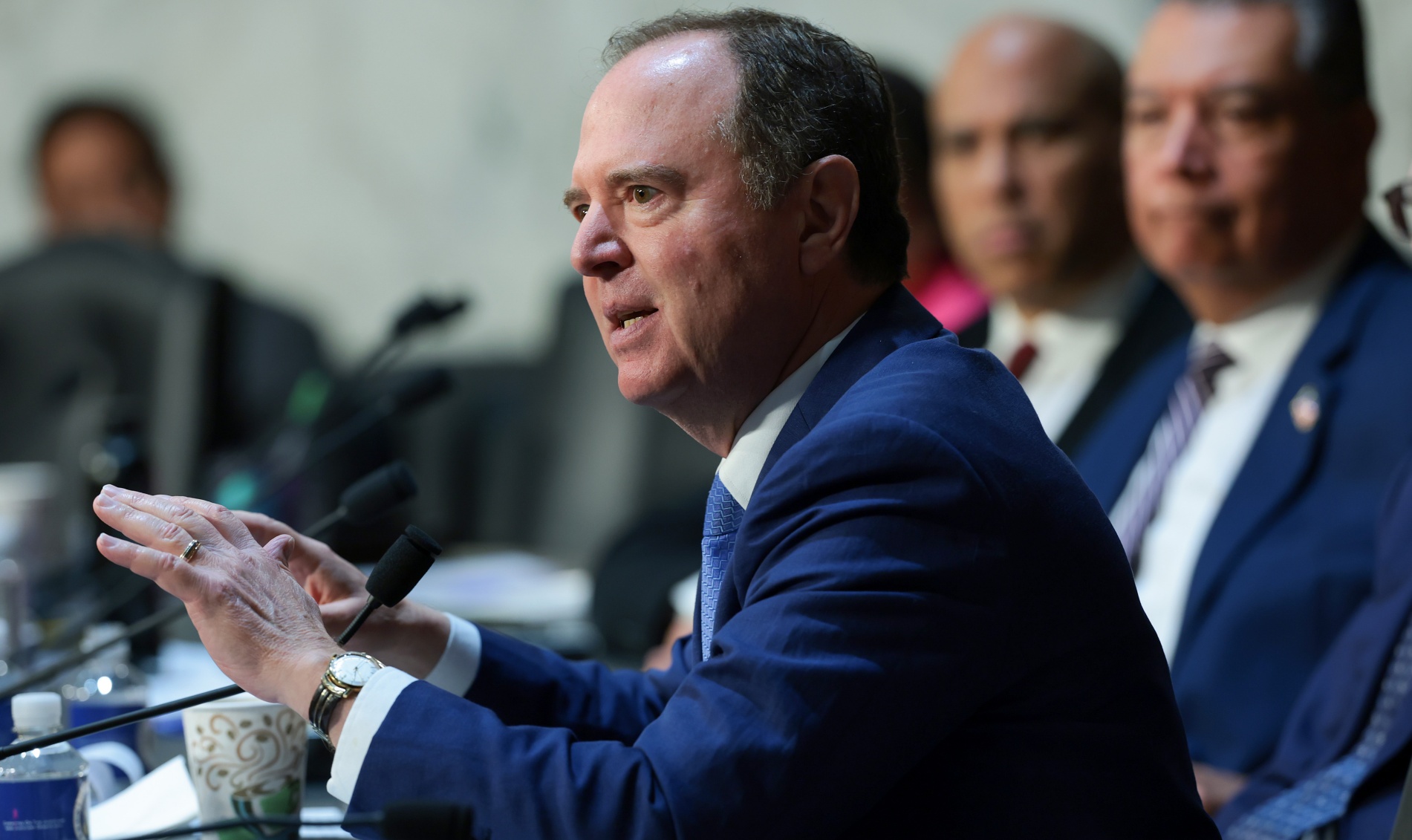
Influencer endorsements have created a campaign finance loophole. A proposed law would close it.

Senator Adam Schiff introduced the PAID Act to close the gap that lets political candidates pay creators for endorsements without disclosure. Neither FTC nor FEC rules currently cover social media influencer payments in political contexts. A useful signal of where disclosure regulation is heading for paid creator relationships generally.

tubefilter.com

Agentio study: creator Partnership Ads beat licensed UGC by 19% on clickthrough

Agentio analysed 65,000 Meta Partnership Ads representing $130 million in spend. Ads running from the creator's own handle delivered 19% better clickthrough than the same content licensed and run from the brand handle. The lesson is that identity is the variable, not the edit: relicensing creator content into brand channels destroys most of what paying the creator bought.

digiday.com

An anatomy of the creator brand trip's midlife crisis

Digiday uses the backlash to OpenAI's luxury creator retreat to examine the hosted brand trip format more broadly. The failure was a mismatch: a heavily curated, opulent experience given to creators whose audiences are bought in on unpolished access. The conclusion is that the trip must offer something genuinely closed to the public, and that spending more on comfort makes the mismatch worse rather than better.

sciencedaily.com

Scientists turn Starlink into a giant scanner for Earth's upper atmosphere

Researchers used telemetry from roughly 1,200 Starlink satellites to map atmospheric density at 500 km altitude, turning a commercial constellation into an instrument it was never designed to be. The data should improve satellite tracking and reduce collision risk in crowded orbits. The most valuable dataset here was a by-product nobody set out to collect.

autonews.com

McLaren names David Woodhouse chief creative officer

Woodhouse joins McLaren's executive leadership team with an unusually broad remit covering product design, brand identity, communications, retail environments, partnerships and licensed products. Putting every customer touchpoint under a single creative authority is a structural bet that brand coherence is an org chart problem before a creative one.

techcrunch.com

Facebook rolls out its standalone Creator Studio app with AI tools for creators

Meta has launched a dedicated Creator Studio app with AI assistance that suggests direction based on content performance, audience interaction and stated creator goals. The play is to keep creators inside Meta's own tooling rather than losing them to third parties. Platforms are now competing on creator workflow, not just distribution.

prnewsonline.com

The right way to turn social media into news coverage

Social presence converts into earned coverage through substance, not speed. Journalists recruit sources who are already publishing because they are stretched thin, which turns visibility into a precondition rather than a result. Cited outcomes include a Wall Street Journal columnist interview sourced from Instagram and an AARP journalist quoting a client's blog post.

marketingdive.com

How Cava outperforms in fast casual despite a frugal marketing budget

Cava keeps taking share in fast casual while spending far less than its peers, leaning on cultural relevance and word of mouth instead of paid reach. The constraint appears to have forced editorial discipline, and the discipline is what produced the results. A new CMO search is under way after Andrew Rebhun left for Panera.

digiday.com

Brands can't just flip the 'employees as creators' switch

Employee-generated content needs its own operating layer: strategy, training, a rights framework and measurement. Gap folds staff into an existing creator programme while Starbucks built a bespoke one, and both found the hard part was infrastructure rather than recruitment. The two gaps that keep recurring are a written position on usage rights and any measurement beyond follower counts.

fastcompany.com

Anthropic models will soon inject watermarks identifying AI-generated text

Anthropic will embed invisible watermarks in generated text to comply with EU transparency rules, and will apply the practice globally. The marks survive copy and paste, so text moved into a document or a post stays identifiable. AI disclosure moves from a declaration of good faith to a verifiable technical fact.

Get tomorrow's, without coming back.

One email each morning. The same links, the same notes, in your inbox instead of your bookmarks.

One email each morning, around 07:00 CET. Unsubscribe in one click. Your address is never sold, never shared.