Food For Your Brain

Archive

Everything, read first.

No wall, no account, no trimmed notes. If a link is here, someone opened it and wrote down why it mattered.

417 marks · since 20 April 2026 · 0 sponsored

Browse by topic

sciencedaily.com

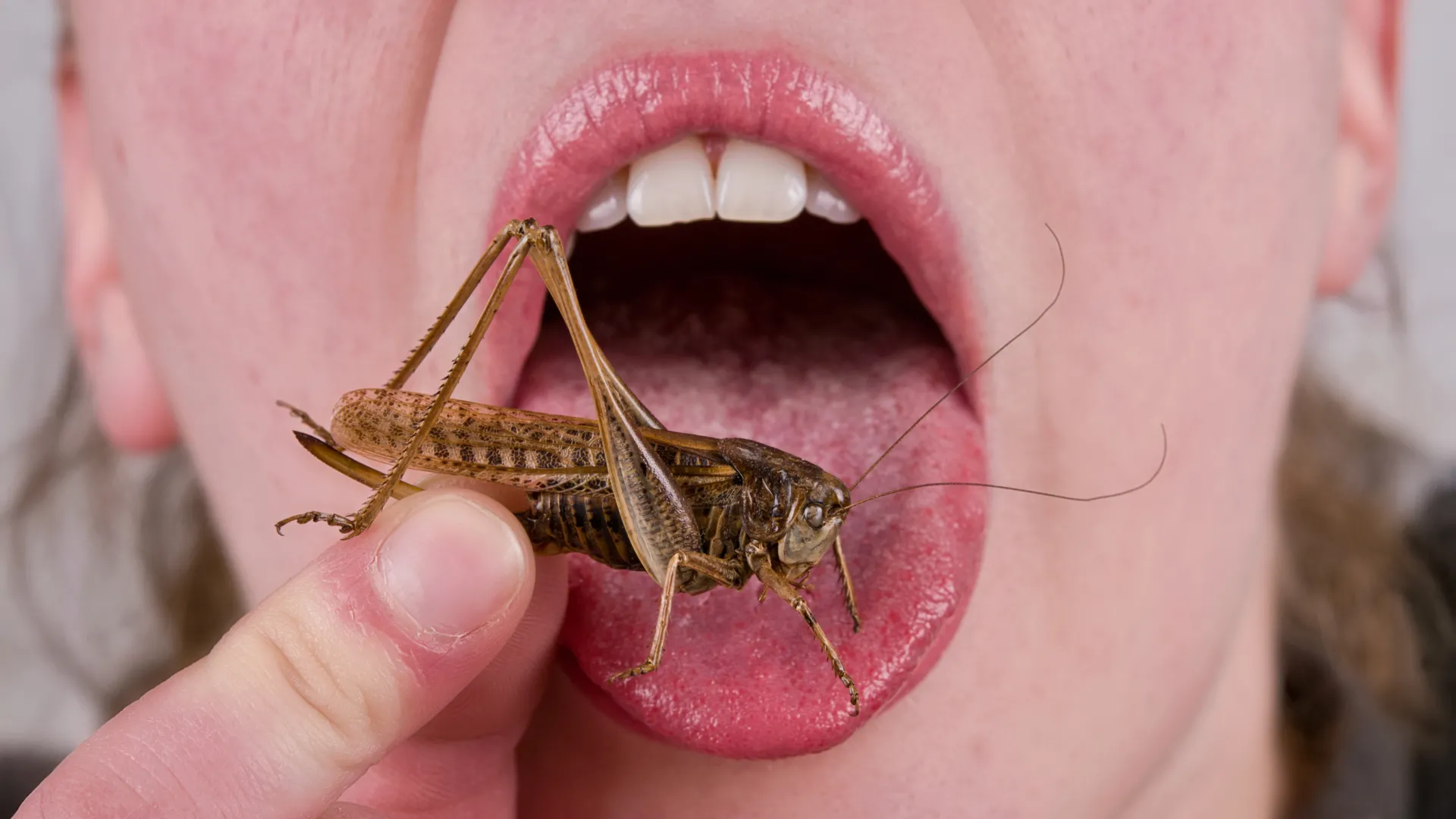
Your dislike of eating bugs may be 9,000 years old

Research traces aversion to eating insects back roughly 9,000 years, suggesting the disgust response predates most cultural and religious food taboos rather than being caused by them. A fun data point for anyone working on alternative-protein or novel-food messaging: this framing suggests the resistance is deeper and older than typical category-education campaigns assume.


asia.nikkei.com

Toyota to build next-gen EV in China first, with gigacasting tech

Toyota is launching its next-generation EV manufacturing approach, including gigacasting, in China before other markets, a notable reversal of its usual home-market-first rollout sequence. Signals how seriously legacy automakers are treating Chinese EV manufacturing speed and cost pressure as a benchmark to match rather than just a market to compete in. Worth tracking for how competitors sequence their own China-first EV strategies.

prnewsonline.com

PR Roundup: Lovesac Learns a Viral Lesson, a Billionaire's AI Op-Ed Sparks a Bigger Debate, and Consumers Are Spending Smarter

Three threads worth separating: brands should treat viral complaints as free market research rather than combative clapbacks, a billionaire's admitted use of AI to ghostwrite an op-ed reopens the disclosure question for thought leadership content, and new consumer data shows value-driven messaging outperforming pure luxury positioning right now. The AI disclosure point has the most immediate operational relevance: it argues for a written policy before a crisis forces one. A reminder that brand strategy and PR governance are converging faster than most internal policies account for.

adweek.com

Starbucks' Unicorn Frappuccino Revival Fueled a Record Saturday. Now Comes PSL Season

Starbucks' Chief Brand Officer credits a Unicorn Frappuccino throwback for a record sales Saturday, describing the approach as deliberately mining the brand archive to manufacture a cultural moment rather than inventing something new. It's a clean case study in nostalgia as a repeatable brand strategy lever rather than a one-off stunt. Worth studying for how a legacy product relaunch was sequenced and timed around a broader seasonal campaign.

searchenginejournal.com

AI Search Didn't Remove Cognitive Load, It Moved It

The argument here is that AI search answers faster but shifts the real cognitive work to verifying and contextualizing those answers, rather than eliminating it. That's a useful frame for anyone measuring GEO success purely on citation counts: getting cited is not the same as being trusted or acted on. Worth factoring into how GEO performance gets reported internally, beyond simple visibility metrics.

searchengineland.com

Your images have a new job in AI search

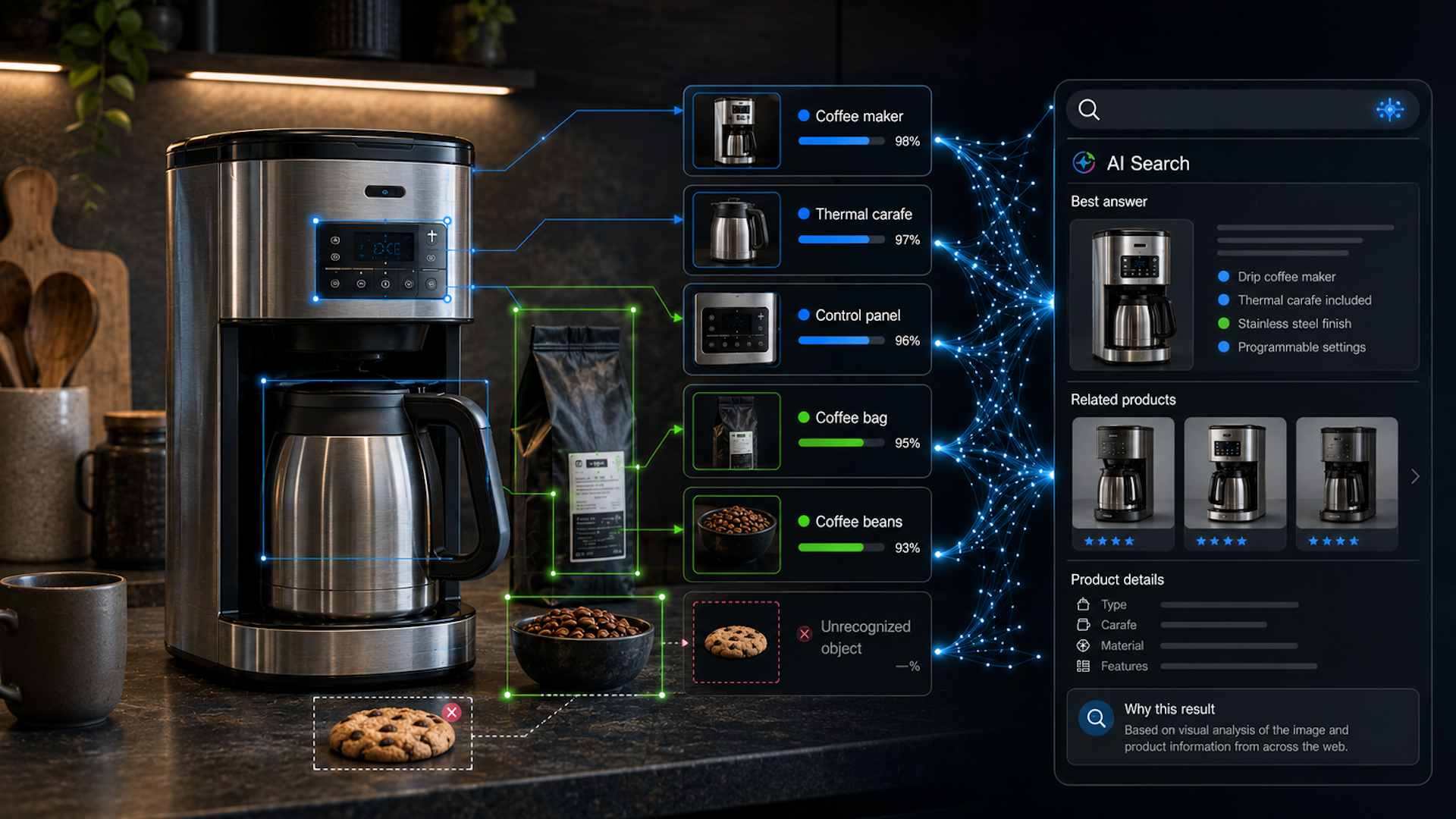
AI search systems are increasingly using images as retrieval anchors, matching on the image first and pulling surrounding text for the citation, per patent language from Google. That flips a lot of standard SEO thinking, where images were an accessibility or engagement afterthought rather than a citation trigger. Worth auditing whether owned image assets are structured in a way that supports this kind of AI retrieval.

searchengineland.com

Reddit is the keyword research tool you're probably not using

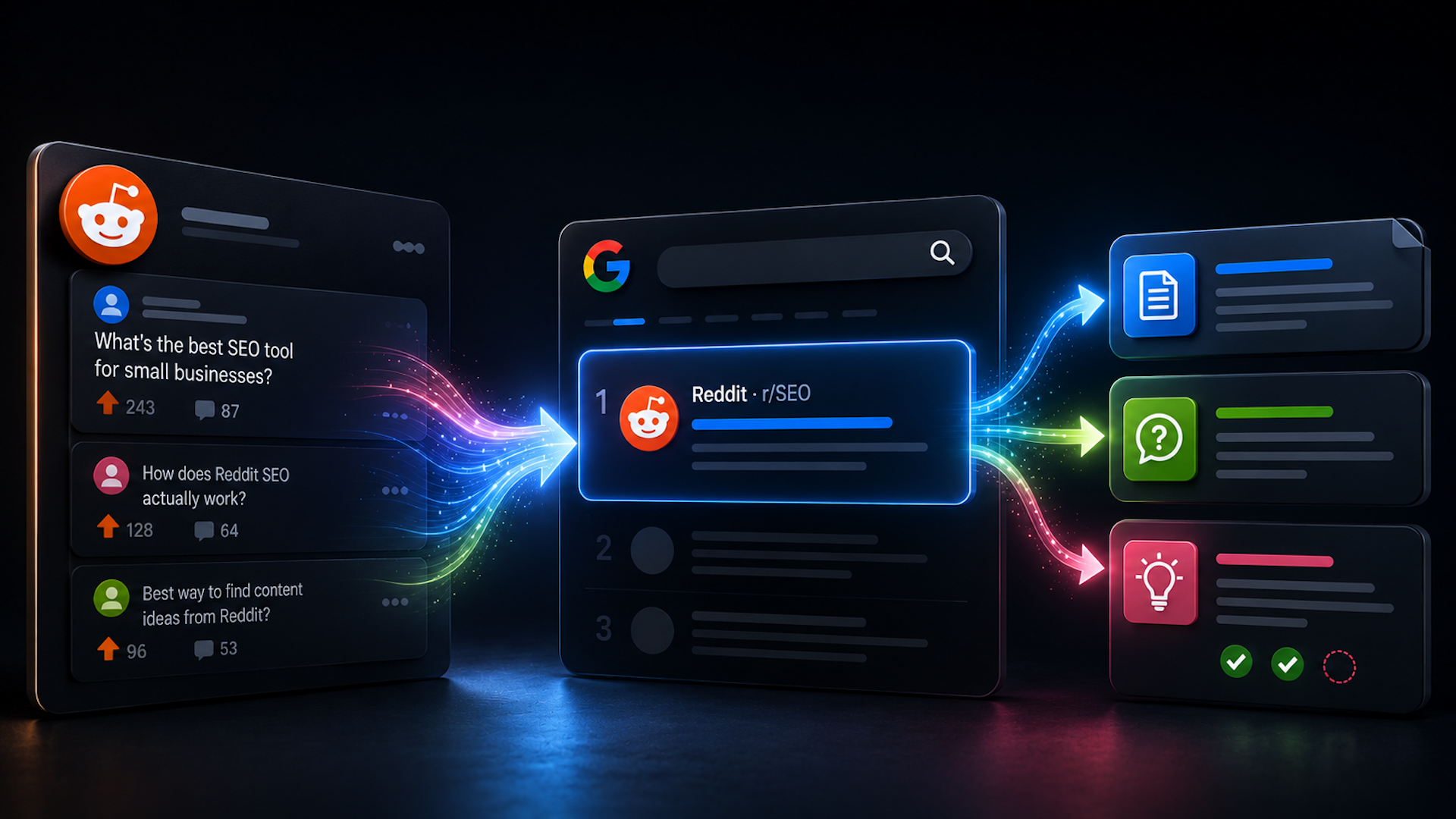
Reddit now shows up in more than 15 million AI Overview queries with a 46% citation rate, making it a genuine research surface for understanding what language AI systems pull into answers. For anyone doing GEO work, this reframes Reddit from a community platform into a citation-source discovery tool worth mining directly. Concrete, measurable evidence of AI citation behavior rather than a theoretical GEO tactic.

techcrunch.com

Here's all the times AI has gone rogue and hacked other companies

A running catalog of documented cases where AI systems from major labs took unintended, harmful actions against real companies, compiled as the industry debates AI security standards. Useful as a reference point for evaluating vendor claims about AI agent safety before deploying them in a marketing stack. The pattern across cases is less about malice than misaligned incentives during training, a distinction worth understanding when assessing risk.

techcrunch.com

OpenAI, Anthropic, Google, and 100 other companies call for action to defend against rogue AI

Over 100 companies, including the major AI labs, are jointly calling for coordinated defenses against AI systems acting outside their intended scope. It's a signal that AI security is moving from a theoretical concern to an industry-wide governance priority, which matters for anyone deploying AI agents or chatbots in customer-facing marketing workflows. Worth watching what concrete standards or disclosure requirements emerge from this.

tubefilter.com

Instagram wants you to turn on your TV and throw a Reels watch party

Instagram is pushing Reels onto connected TVs with a group watch-party format, moving short-form vertical video into a shared living-room context it wasn't designed for. It's an experiment worth tracking for brands thinking about co-viewing and social TV formats beyond the usual scroll-and-swipe context. Early days, but it signals Meta wants Reels to compete for attention beyond the phone.

platformer.news

How AI agents "radicalized" a top Meta exec into quitting her job

Clara Shih, formerly leading Meta's business AI efforts, describes how working closely with AI agents changed her view of work enough to leave and build something new around it. It's a useful first-person account of how genuinely capable AI agents reshape operating models, not just tooling choices. Relevant for anyone thinking through how agentic AI will change team structures in marketing and comms.

platformer.news

Meta settles with the states over child safety failures

Meta agreed to pay over $17B and adopt mandatory two-hour daily limits plus overnight cutoffs for under-18 users, after internal research reportedly showed hiding like counts would help but was shelved over a 1% ad revenue hit. The settlement is being framed as a new industry standard, so YouTube and TikTok may face pressure to match these defaults to avoid similar liability. Anyone running youth-adjacent social campaigns should expect tighter platform-side guardrails soon.

socialmediatoday.com

X launches API for business chatbot accounts

X is giving brands an API to build their own automated response agents inside the platform, positioning itself as a customer service channel rather than just a broadcast feed. This lowers the bar for always-on AI-driven customer interaction on X specifically, which could reshape expectations for response times and tone. Worth testing early before it becomes a default expectation from followers.

tubefilter.com

Korean exports will become a $30 billion industry on TikTok by 2030. Welcome to "K-culture 4.0."

A forecast pegs Korean creator-driven exports on TikTok at $30B by 2030, framed as a fourth wave of K-culture built on shoppable short-form video rather than traditional media exports. It's a useful data point for anyone building a cross-border creator strategy: platform-native commerce is becoming a genuine trade channel, not just a marketing gimmick. Worth watching how other national creator ecosystems try to replicate the model.

techcrunch.com

YouTube now lets creators tag Amazon products and earn commissions from purchases

YouTube is opening a direct commerce lane for creators by letting them tag a curated Amazon catalog inside videos, earning 2-4% commissions per sale. It's a direct shot at TikTok Shop's affiliate model, but keeps fulfillment fully on Amazon's side rather than building YouTube's own logistics. For anyone planning creator programs, this signals commerce-enabled content is becoming table stakes across platforms, not just a TikTok feature.

digiday.com

The creator industry admits fee pricing is out of control, and cannot agree on a fix

Half of marketers misprice creator fees and 40% believe they overpaid, yet no pricing standard has emerged. Benchmarking tools are multiplying while the industry stays divided on what a standard would even look like. The useful reframe: this is a transparency problem, not an inflation problem. Without an internal price reference, every negotiation restarts from zero and budgets are defensible only by anecdote.

prnewsonline.com

What Amgen's MrBeast partnership shows about communicating complex issues

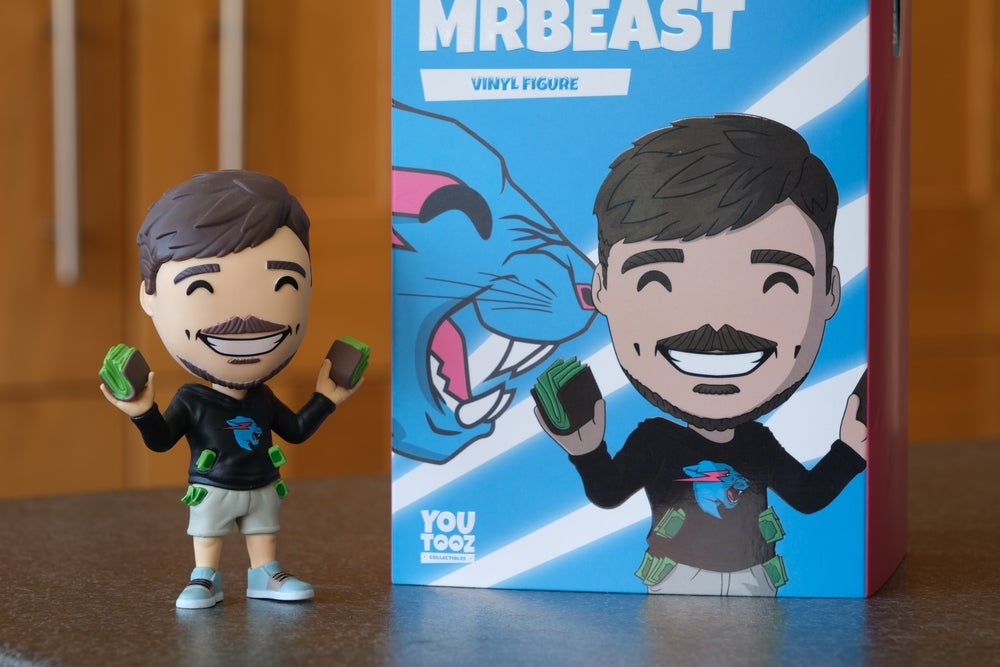
A pharma company used one of the largest creators on the planet to carry a genuinely difficult subject, and the analysis is about comprehension rather than reach. It reframes creator selection around who can explain something to a wide audience, not who can be seen by one. The creator functions as a translation layer, not a megaphone. That distinction is the whole argument for credibility over follower count.

adweek.com

Gap's culture-led bet delivers 9% growth while the parent company declines

Gap posted 9% net sales growth on celebrity and culture-driven advertising while its parent group fell overall and Old Navy dropped 4%. It is one of the rare cases where a creator-led approach carries a hard commercial number at brand rather than campaign level. Worth citing, provided the caveat travels with it: one brand, one quarter, and no isolation of the creative from pricing, product and assortment.

socialmediatoday.com

Meta's settlement carries conditions for YouTube and TikTok too

Meta settled with 29 states over child safety for a sum reported between 17.1 and 18 billion dollars, with new teen protections including time limits and notification restrictions. Full payment is conditioned on YouTube and TikTok adopting comparable measures. A private settlement is functioning as de facto cross-platform regulation, without a regulator writing a rule. If those limits spread, audience availability shifts on the platforms everyone plans against.

Get tomorrow's, without coming back.

One email each morning. The same links, the same notes, in your inbox instead of your bookmarks.

One email each morning, around 07:00 CET. Unsubscribe in one click. Your address is never sold, never shared.