Food For Your Brain

Topic

Governance

Rules, platforms and regulators: who is allowed to say what, and who decides.

73 marks · first on 13 August 2026 · latest on 18 August 2026

Often filed alongside

prnewsonline.com

AI Recycled a Dead Promotion and Sent Customers to a Client's Doors

An AI answer engine resurfaced a long-expired 2025 restaurant promotion, journalists republished it without checking, and customers showed up nationwide expecting a deal that no longer existed. The affected outlets quietly scrubbed the brand's name instead of issuing corrections, leaving the operational and reputational cleanup entirely to the brand. A concrete, real-world case for why GEO and AI-answer monitoring now belongs in crisis-preparedness playbooks, not just SEO reporting.

socialmediatoday.com

ByteDance signs a Motion Picture Association deal on AI-generated content

ByteDance has agreed protections against intellectual property infringement from AI-generated content, addressing film and television producers' concerns about unauthorised use of their work. It is one of the first platform-level commitments of its kind rather than a policy statement. The interesting part will be enforcement at the volume TikTok operates at. Rights holders are now negotiating with the distribution layer, not just the model builders.

socialmediatoday.com

YouTube changes how it counts a view

YouTube is standardising view counting across all formats to match the Shorts method it adopted about a year ago. A view now registers the moment playback starts, rather than after a watch-duration threshold. Every long-form view count is about to become a larger and less demanding number, with no change in actual audience behaviour. Any figure that straddles the change is measuring two different things, so a year-on-year comparison across it is not a comparison.

techcrunch.com

Anthropic CEO says AI backlash is 'fundamentally a crisis of trust'

Dario Amodei argues the public backlash against AI isn't about messaging balance but a broader trust deficit toward companies, governments and tech generally, and says aspirational claims like "AI will cure cancer" now read as cliche rather than credible. The framing travels well beyond AI: audiences increasingly discount promises and reward demonstrated delivery. A useful reference point when pressure-testing any AI-related brand narrative.

marketingdive.com

Smartphone school ban could imperil billions in social media ad revenue

Emarketer models a nationwide school phone ban costing TikTok up to $2.08B in ad revenue by 2028, with Snapchat taking the biggest proportional hit (-6%) and Meta barely dented (under 1%). With 74% of US adults backing classroom bans, the regulatory tailwind looks durable even without a federal mandate yet. Useful baseline numbers for any planning conversation about platform-mix risk tied to youth-usage regulation.

socialmediatoday.com

X shares new insights into transparency and shadowbanning

X released an updated algorithm code drop plus a tool letting users check whether their posts were labeled or restricted on the For You timeline over the past month. It's a genuinely useful diagnostic for anyone monitoring reach anomalies, though the piece notes X's 2023 transparency promises went largely unfulfilled. Treat any reach-restriction findings as directional rather than definitive given that track record.

tubefilter.com

OnlyFans investor says it will "never use AI in any capacity to disrupt creators"

Architect Capital's James Sagan, who holds a 16% stake in OnlyFans, publicly committed to never using AI to disrupt the platform's creators, positioning AI instead as a fix for payment-processor and banking friction. The pledge lands as AI-generated "nudify" content and deepfakes increasingly threaten independent creators' livelihoods across platforms. Worth watching whether the commitment holds once investors start weighing AI-driven cost efficiencies against creator trust.

techcrunch.com

Anthropic shares more details about how Claude's new watermarks will work

Anthropic published technical detail on watermarking generated content, covering how the marking survives editing for both text and code. It lands alongside Spotify's AI Persona badges and YouTube's own labelling systems. Provenance marking is shipping across model providers and platforms at roughly the same time, so anything generated should be assumed detectable as generated.

socialmediatoday.com

Google lowers search profile requirements

Google cut the follower threshold for a dedicated search profile from 100,000 to 35,000 on YouTube, Instagram and X, and from 300,000 to 100,000 on TikTok. The profile gives a header image, links to content across formats, and a follow button directly inside search results. Owned real estate on the results page is now claimable by mid-tier accounts rather than reserved for scale.

tubefilter.com

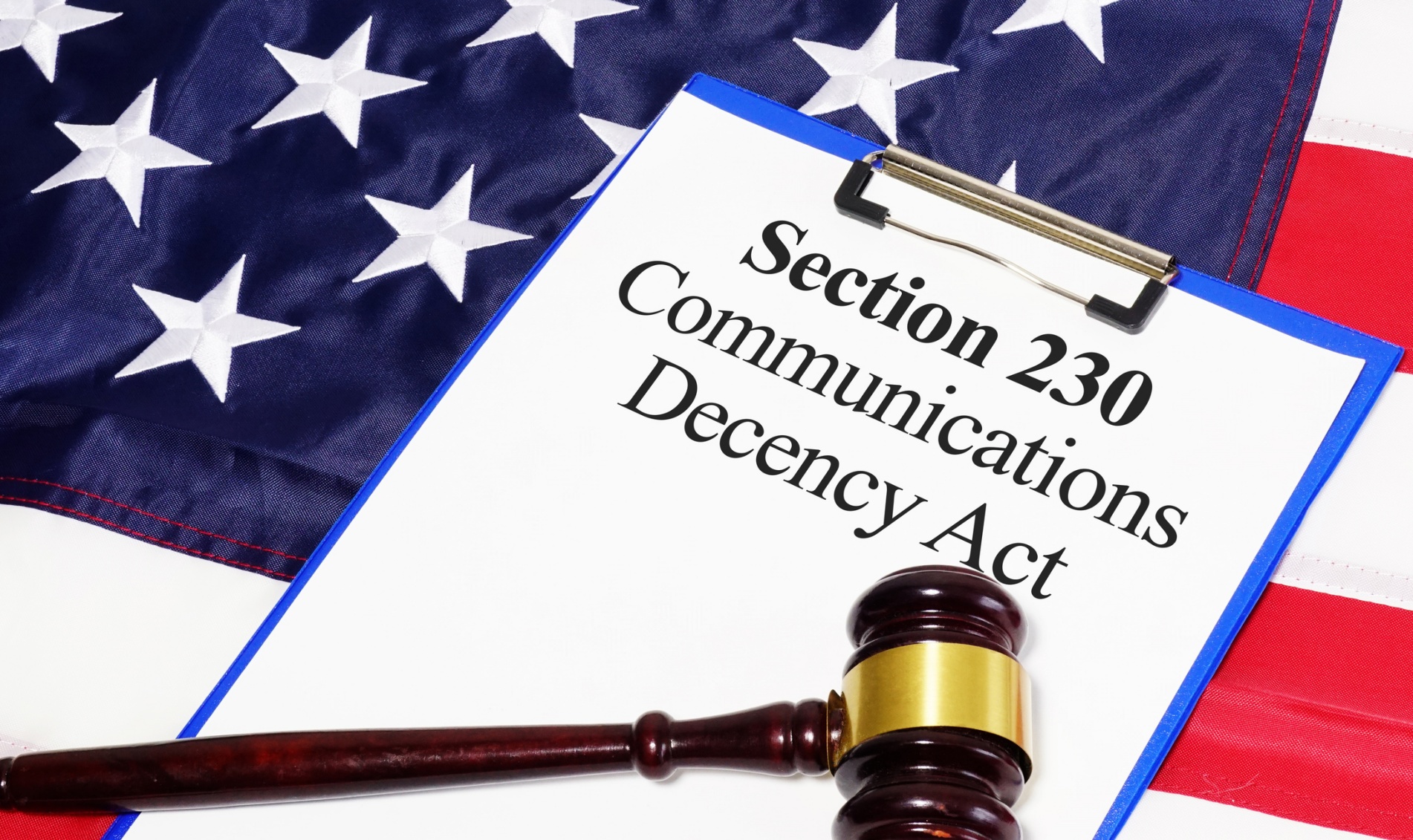
Addiction lawsuits against Meta and TikTok clear Section 230

Courts have allowed social media addiction claims against Meta and TikTok to proceed despite Section 230, the provision that has shielded platforms from liability for user content since 1996, and thousands of cases could follow. Legislators are using the openings to push for reform or repeal, while critics warn that dismantling the statute would damage online expression broadly. The legal floor under the platforms is moving for the first time in nearly thirty years.

tubefilter.com

YouTube wrongly labelled Kurzgesagt as AI-generated content

YouTube's automated systems flagged Kurzgesagt, one of the most established hand-animated education channels on the platform, as AI-generated, before reversing the decision. It is roughly the least plausible false positive available, which is exactly what makes it worth noting. Platforms are shipping AI-detection labels faster than the detection works, and the label lands on the channel before any human review.

socialmediatoday.com

Instagram unveils its first new logo in over a decade

Instagram has replaced the gradient camera mark it has carried since 2016, its first substantial identity change in more than ten years, to a split reception. The design debate is the least consequential part of it. Platform glyphs live on packaging, signage, event backdrops, end-cards and press kits, so a logo change is really an asset management problem across a surface far wider than any social team controls.

digiday.com

European publishers are getting hit harder by AI bot scraping, report finds

A TollBit analysis shows European publishers face disproportionate AI scraping compared with North American sites, with robots.txt ignored more often. The disparity raises questions about why enforcement appears to differ by region despite stricter European rules on paper. Relevant to anyone weighing whether crawler policy actually protects content.

tubefilter.com

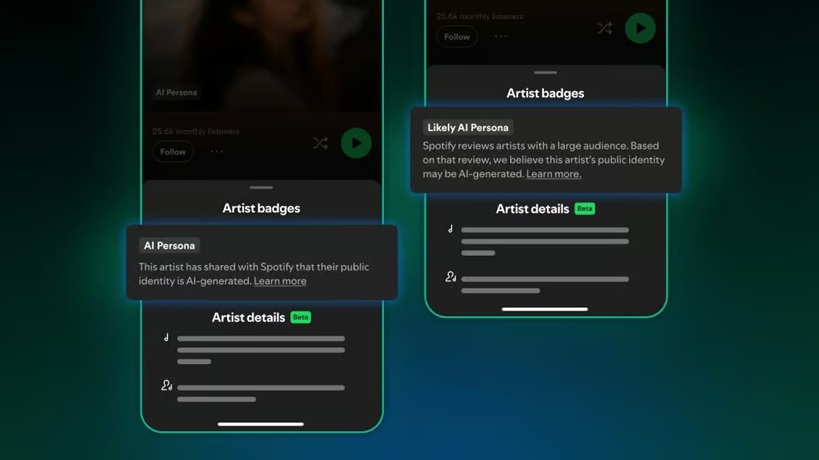
Spotify is cracking down on AI slop with AI Persona badges

Spotify will label AI-generated artist profiles and exclude them from recommendations, having removed 75 million spam tracks in a year. The badge marks the identity of the artist, not the production method: creators using AI tools stay recommendable if they own a recognised personal brand. It is a useful precedent for disclosure policy, since 'this account is not a person' is checkable while 'AI was used' is not.

tubefilter.com

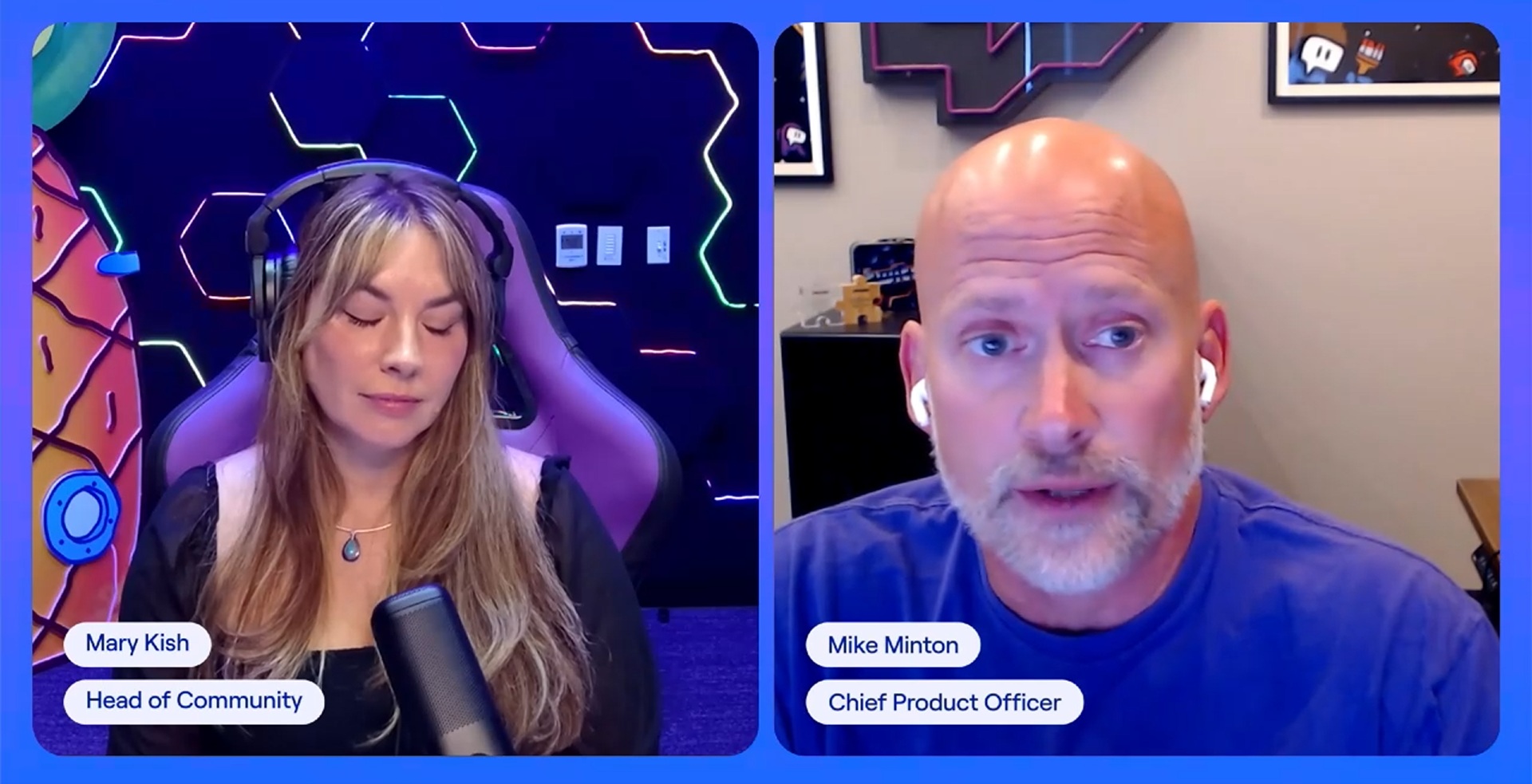
Twitch auto-enrols all streamers in having their content scraped for Amazon LLM training

Twitch made scraping of streamer content for Amazon's LLM training the default, with opt-out rather than opt-in. CPO Mike Minton defended it bluntly: if it were opt-in, nobody would opt in. It raises a live question for creator contracts everywhere, since a usage grant covering brand amplification says nothing about the platform ingesting the same asset into a model.

techcrunch.com

X open sources its ranking algorithm, letting users see if they've been shadowbanned

X published its ranking code to GitHub and shipped a tool letting account holders check whether their content has been restricted. It is the first time a major platform has paired algorithm disclosure with a per-account visibility diagnostic. Reach loss moves from a hunch to a testable claim, at least on one platform.

tubefilter.com

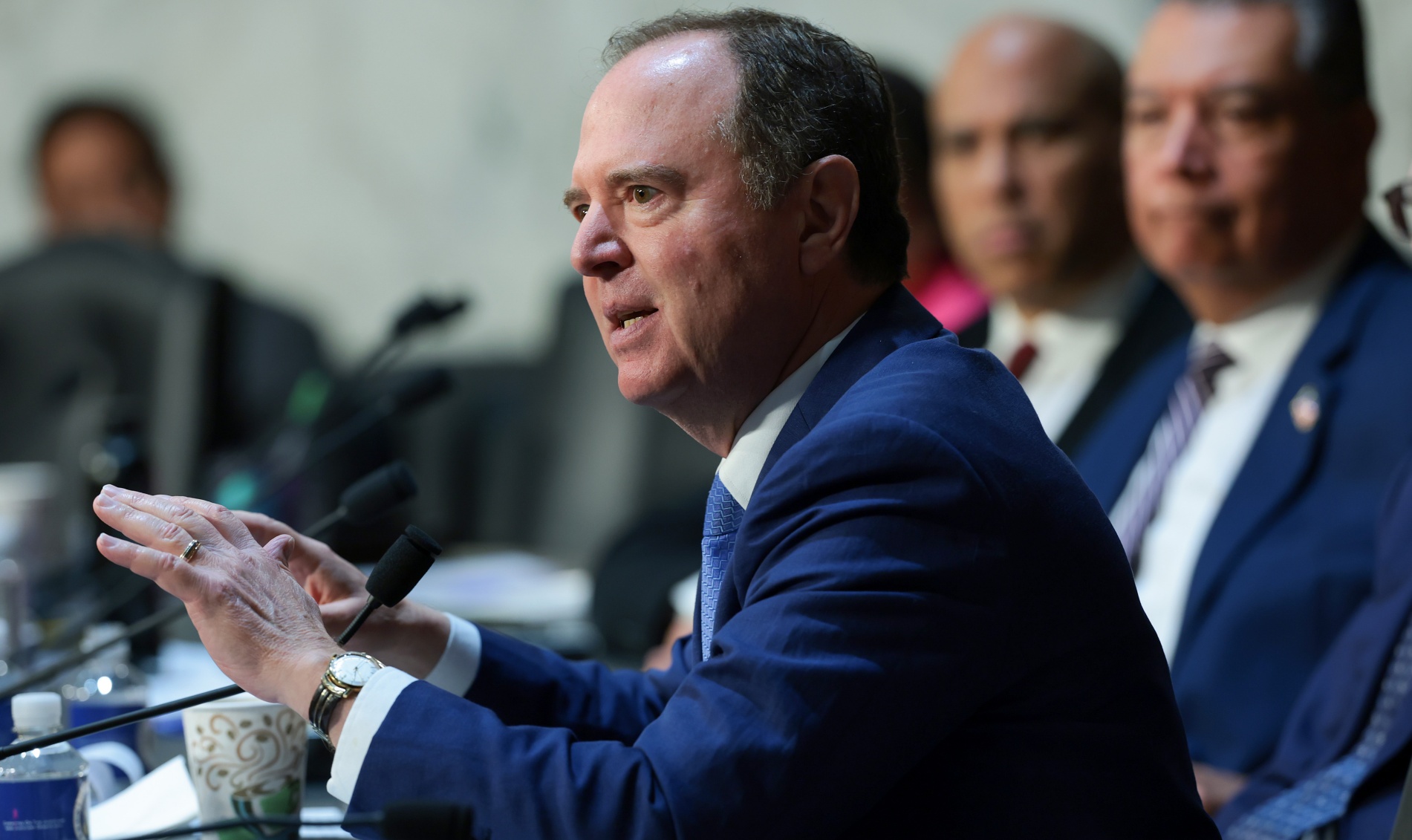
Influencer endorsements have created a campaign finance loophole. A proposed law would close it.

Senator Adam Schiff introduced the PAID Act to close the gap that lets political candidates pay creators for endorsements without disclosure. Neither FTC nor FEC rules currently cover social media influencer payments in political contexts. A useful signal of where disclosure regulation is heading for paid creator relationships generally.

autonews.com

McLaren names David Woodhouse chief creative officer

Woodhouse joins McLaren's executive leadership team with an unusually broad remit covering product design, brand identity, communications, retail environments, partnerships and licensed products. Putting every customer touchpoint under a single creative authority is a structural bet that brand coherence is an org chart problem before a creative one.

digiday.com

Brands can't just flip the 'employees as creators' switch

Employee-generated content needs its own operating layer: strategy, training, a rights framework and measurement. Gap folds staff into an existing creator programme while Starbucks built a bespoke one, and both found the hard part was infrastructure rather than recruitment. The two gaps that keep recurring are a written position on usage rights and any measurement beyond follower counts.

Follow this the easy way.

The daily brief covers this topic and the four others, in one email each morning.

One email each morning, around 07:00 CET. Unsubscribe in one click. Your address is never sold, never shared.