Food For Your Brain

Topic

Compliance

Disclosure, consent, and the rules that decide what a brand may claim and what a creator must admit.

36 marks · first on 28 April 2026 · latest on 18 August 2026

Often filed alongside

prnewsonline.com

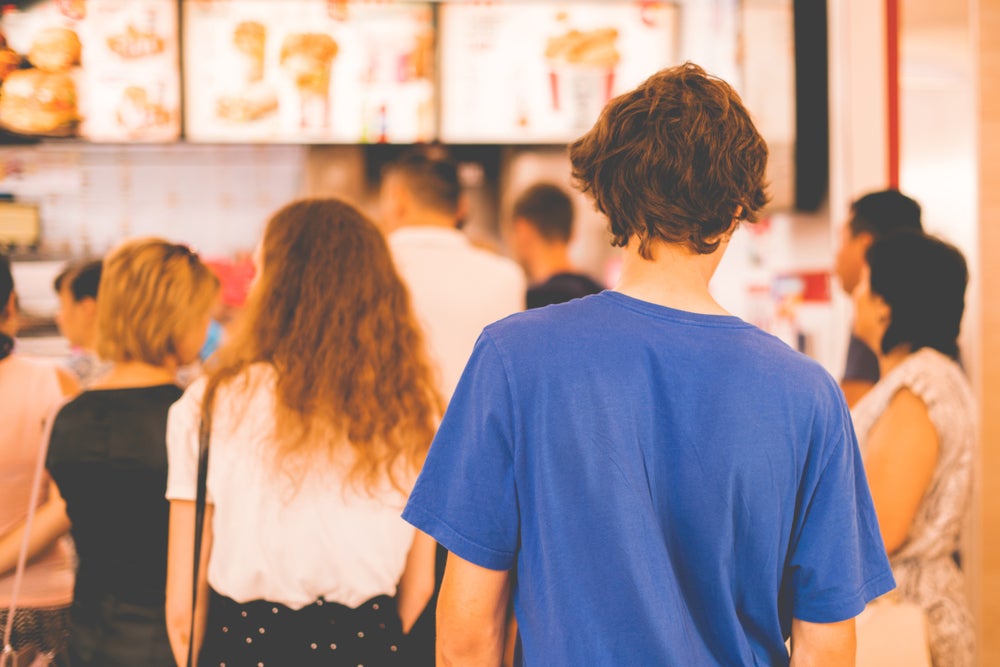
AI Recycled a Dead Promotion and Sent Customers to a Client's Doors

An AI answer engine resurfaced a long-expired 2025 restaurant promotion, journalists republished it without checking, and customers showed up nationwide expecting a deal that no longer existed. The affected outlets quietly scrubbed the brand's name instead of issuing corrections, leaving the operational and reputational cleanup entirely to the brand. A concrete, real-world case for why GEO and AI-answer monitoring now belongs in crisis-preparedness playbooks, not just SEO reporting.

socialmediatoday.com

ByteDance signs a Motion Picture Association deal on AI-generated content

ByteDance has agreed protections against intellectual property infringement from AI-generated content, addressing film and television producers' concerns about unauthorised use of their work. It is one of the first platform-level commitments of its kind rather than a policy statement. The interesting part will be enforcement at the volume TikTok operates at. Rights holders are now negotiating with the distribution layer, not just the model builders.

techcrunch.com

Anthropic shares more details about how Claude's new watermarks will work

Anthropic published technical detail on watermarking generated content, covering how the marking survives editing for both text and code. It lands alongside Spotify's AI Persona badges and YouTube's own labelling systems. Provenance marking is shipping across model providers and platforms at roughly the same time, so anything generated should be assumed detectable as generated.

tubefilter.com

Addiction lawsuits against Meta and TikTok clear Section 230

Courts have allowed social media addiction claims against Meta and TikTok to proceed despite Section 230, the provision that has shielded platforms from liability for user content since 1996, and thousands of cases could follow. Legislators are using the openings to push for reform or repeal, while critics warn that dismantling the statute would damage online expression broadly. The legal floor under the platforms is moving for the first time in nearly thirty years.

techcrunch.com

Google lets users strip the visible watermark from its AI images

Gemini users can now remove the visible watermark from AI-generated images, while the invisible SynthID marker stays embedded. Google's position is that machine-readable provenance survives even when the human-readable signal disappears. That only holds if the receiving platform bothers to read it, which moves AI disclosure from something a viewer notices to something only a machine can verify.

tubefilter.com

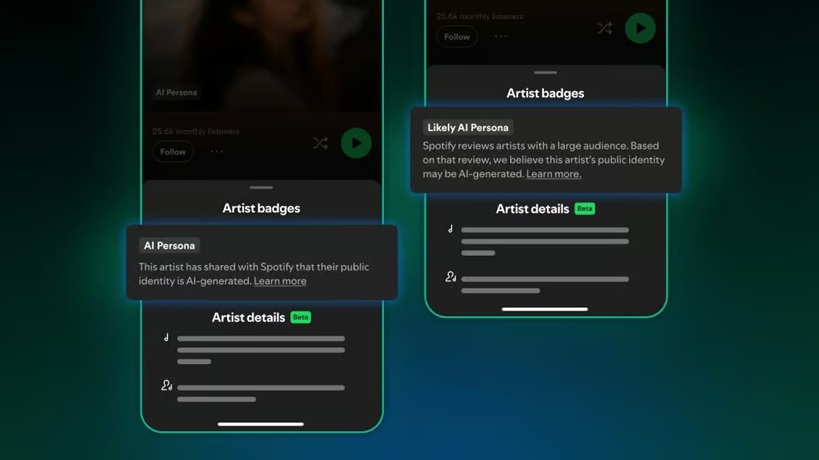
Spotify is cracking down on AI slop with AI Persona badges

Spotify will label AI-generated artist profiles and exclude them from recommendations, having removed 75 million spam tracks in a year. The badge marks the identity of the artist, not the production method: creators using AI tools stay recommendable if they own a recognised personal brand. It is a useful precedent for disclosure policy, since 'this account is not a person' is checkable while 'AI was used' is not.

tubefilter.com

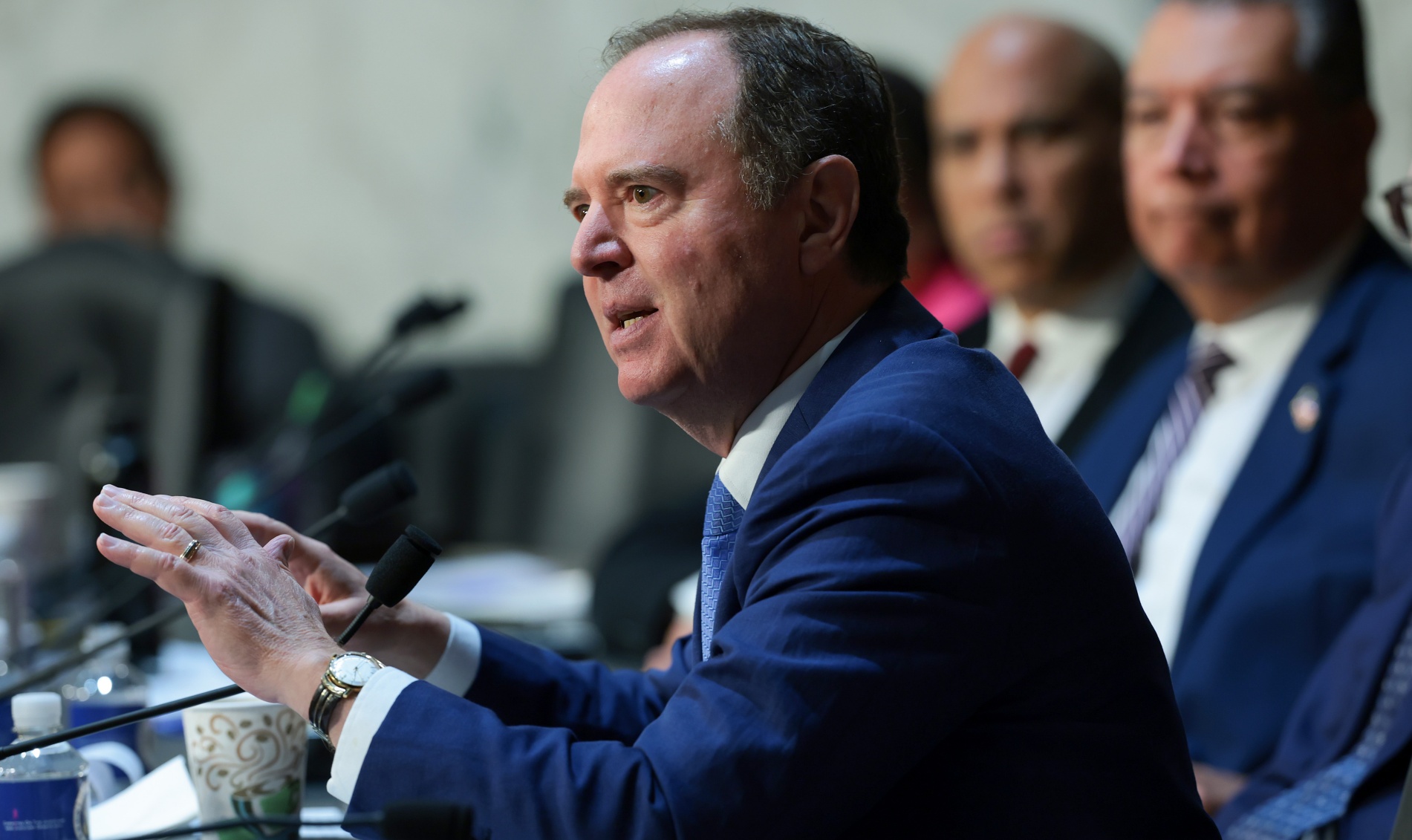
Influencer endorsements have created a campaign finance loophole. A proposed law would close it.

Senator Adam Schiff introduced the PAID Act to close the gap that lets political candidates pay creators for endorsements without disclosure. Neither FTC nor FEC rules currently cover social media influencer payments in political contexts. A useful signal of where disclosure regulation is heading for paid creator relationships generally.

thedrum.com

AI disclosure laws arrive in the EU and California. What do they mean for marketers?

New transparency rules in the EU and California require marketers to disclose AI-generated content, with the obligation landing on the brand rather than the production partner. The piece walks through what changes operationally during campaign development. In practice it moves compliance upstream into the brief, instead of leaving it to a legal review at the end.

adage.com

OpenAI's creator trip fallout, and what to check before signing an AI brand deal

The backlash against OpenAI's creator retreat is used to lay out the reputational exposure creators carry when partnering with AI companies. The concrete recommendation is deeper due diligence plus reciprocal morality clauses, so the creator is covered when the brand becomes the controversy. A clause structure that was always one directional is finally negotiable.

techcrunch.com

Spotify adds Merlin to its AI music remix and covers effort

Spotify brought Merlin and its 30,000 plus independent labels into its paid AI remix and covers feature, with participating rights holders compensated. The rights architecture was settled before the feature shipped rather than after. It sets a precedent that AI derivative content is licensable at scale when consent and payment are defined upfront. The blocker on AI generated content is not the technology, it is whether rights were cleared before the asset existed.

adweek.com

AI slop is fooling advertisers' verification tools

AI generated content is passing brand safety and verification systems undetected, with social platforms the main entry point. The tools that certify where a brand appears are behind the content now filling it. Read alongside Spur raising 200 million dollars from Insight the same week for technology separating genuine human traffic from bots: the problem and the capital chasing the fix.

hellopartner.com

Omnicom's Creo unveils an agentic AI tool for influencer content compliance

Built on Gemini and Veo, the tool reviews and edits creator content for brand compliance before it goes live: removing restricted items, blurring competitor logos, adjusting off-guideline visuals. It cuts review and approval by 2 to 3 days and removes revision fees and reshoots. The suite also includes a Creator Discovery Agent and a Creator Briefing Agent. Agentic AI moves from campaign analytics into campaign operations.

socialmediatoday.com

State of social media marketing 2026: AI is universal, impact and brand safety are not

82 percent of marketers use AI daily but only 35 percent report significant productivity gains. 67 percent plan to increase influencer budgets. 83 percent of US digital media experts flag brand safety as an escalating concern, driven by AI content flooding feeds and platform moderation rollbacks.

Follow this the easy way.

The daily brief covers this topic and the four others, in one email each morning.

One email each morning, around 07:00 CET. Unsubscribe in one click. Your address is never sold, never shared.